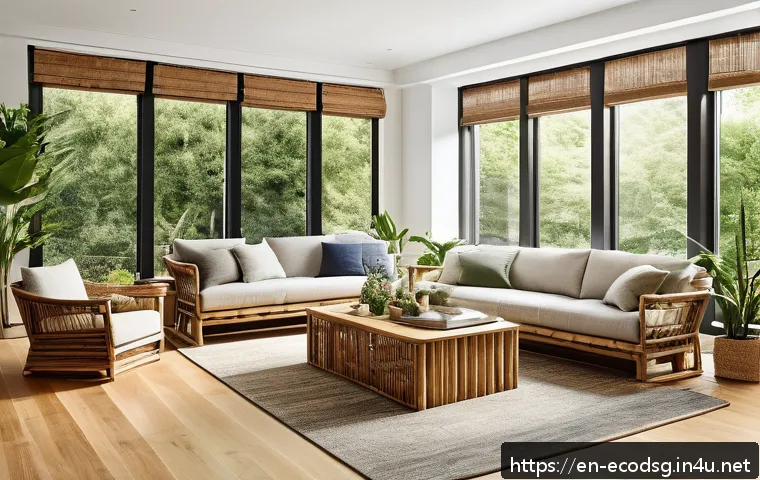
In today’s world, where climate change headlines dominate the news, adopting eco-friendly design isn’t just a trend—it’s a necessity. More than ever, people are seeking ways to create beautiful spaces that also protect our planet.
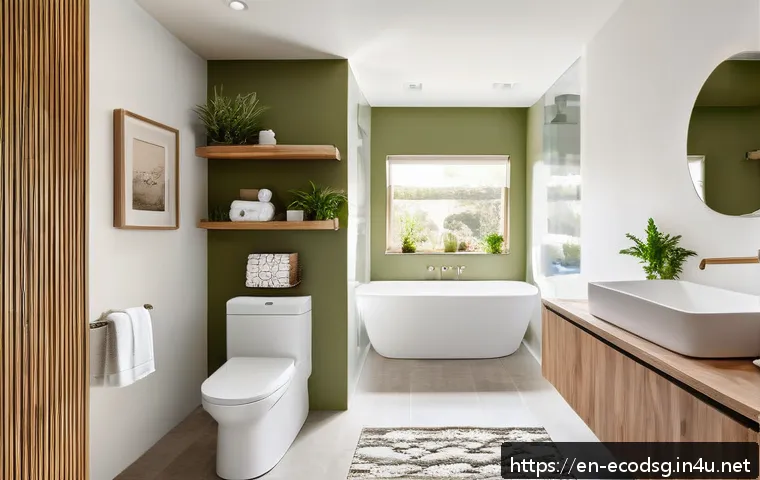
Whether you’re renovating your home or planning a new project, understanding sustainable design principles can make a real difference. I’ve explored firsthand how simple choices can transform interiors into eco-conscious havens without sacrificing style or comfort.
Let’s dive into the core ideas that not only enhance your living environment but also contribute to a healthier Earth. This journey into green design might just change the way you think about your space forever.
Creating a Lasting Impact with Thoughtful Material Choices
Choosing Renewable and Recycled Resources
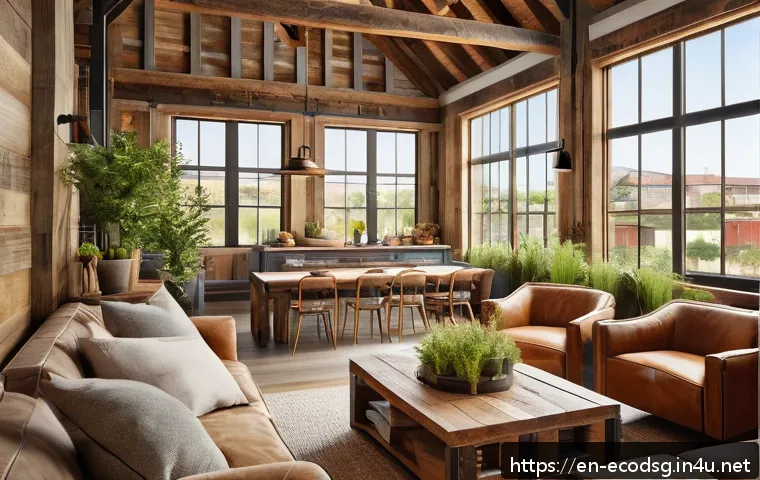
When it comes to eco-friendly design, the materials you select can make a world of difference. Opting for renewable resources like bamboo, cork, or reclaimed wood not only reduces the strain on forests but also adds unique character to your space.
I remember swapping out traditional hardwood flooring for bamboo in my own living room—it looked stunning and gave me peace of mind knowing it’s a fast-growing, sustainable material.
Beyond aesthetics, recycled materials such as glass tiles or metal fixtures offer durability while diverting waste from landfills. These choices might require a bit of research or a slightly bigger upfront investment, but the long-term environmental benefits and durability are well worth it.
Low-VOC and Non-Toxic Finishes for Healthier Indoor Air
Another aspect that’s often overlooked but crucial is the use of low-VOC (volatile organic compounds) paints and finishes. Regular paints can release harmful chemicals that linger in your home’s air for years, potentially affecting your health.
Switching to low-VOC or zero-VOC options dramatically improves indoor air quality, making your home safer for you and your family. I’ve personally noticed a fresher, cleaner smell when repainting with these eco-friendly products, and it made my space feel more inviting without that typical chemical odor.
Plus, many brands now offer a wide palette of colors, so style doesn’t have to take a backseat to sustainability.
Durability and Lifecycle Thinking
Sustainability isn’t just about what you bring into your home but also how long it lasts. Investing in durable materials means fewer replacements, less waste, and ultimately a smaller carbon footprint.
For example, solid wood furniture, though pricier upfront, can last generations if cared for properly, unlike cheaper alternatives that quickly wear out.
I’ve found that thinking about a product’s entire lifecycle—where it’s sourced, how it’s made, how long it will last, and what happens after its use—is key to making truly sustainable decisions.
This approach helped me avoid trendy but disposable items, focusing instead on timeless pieces that serve me well over time.
Maximizing Natural Light and Ventilation to Cut Energy Use
Strategic Window Placement and Design
Harnessing natural light is one of the most effective ways to reduce energy consumption while elevating your home’s ambiance. I experimented with adding larger windows and skylights in my workspace, and the difference was remarkable.
Not only did it brighten the room, but it also reduced my reliance on artificial lighting during the day. Properly placed windows can capture sunlight in winter for warmth and minimize heat gain in summer, which helps lower heating and cooling costs.
Using energy-efficient glazing and window frames further enhances these benefits by improving insulation.
Encouraging Cross-Ventilation
Good ventilation is essential for indoor air quality and temperature control. Cross-ventilation—where air flows freely from one side of a room to another—can naturally cool your space without cranking the AC.
In my experience, adding operable windows on opposite walls and using ceiling fans can create a refreshing breeze that feels better than mechanical cooling.
It’s a simple yet powerful design tweak that not only saves energy but also brings a connection to the outdoors inside your home.
Complementing Natural Systems with Smart Technology
While natural light and ventilation are fantastic, pairing them with smart home technology takes energy efficiency to the next level. Automated blinds, smart thermostats, and sensor-controlled lighting adapt to your daily routine and the environment, ensuring you use only what you need.
For instance, my smart thermostat learns my schedule and adjusts heating or cooling accordingly, saving both money and energy without me having to lift a finger.
This blend of nature and technology creates a balanced, comfortable living environment that’s easy to maintain.
Designing for Water Conservation and Waste Reduction
Incorporating Water-Saving Fixtures
Water is a precious resource, and every drop counts when designing sustainably. Installing low-flow faucets, showerheads, and dual-flush toilets can drastically reduce household water use without compromising comfort.
I upgraded my bathroom fixtures recently and was surprised by how little water I noticed being used, yet the performance remained excellent. These small changes accumulate over time, significantly lowering water bills and easing the demand on municipal supplies.
Planning for Efficient Landscaping
Outdoor spaces also play a role in eco-friendly design. Choosing native plants that require minimal watering, adding rainwater harvesting systems, and using permeable paving can reduce water runoff and maintain healthy soil.
When I revamped my garden, I switched to drought-tolerant plants and installed a rain barrel to collect water for irrigation. It was rewarding to see a lush yard that thrives with far less water input, proving that beautiful landscaping and conservation can go hand in hand.
Reducing Construction and Household Waste
Waste reduction starts at the design phase. By planning accurately and reusing or recycling materials during construction, you can minimize what ends up in landfills.
I’ve noticed that working with contractors who prioritize waste management and material reuse not only cuts costs but also supports a circular economy.
On a daily basis, incorporating composting and recycling stations in your home encourages everyone to participate in waste reduction efforts, making it a team effort.
Bringing Nature Inside with Biophilic Design Elements
Integrating Plants and Natural Textures
There’s something undeniably uplifting about having greenery around. Biophilic design, which connects occupants with nature, can improve mood, productivity, and overall well-being.
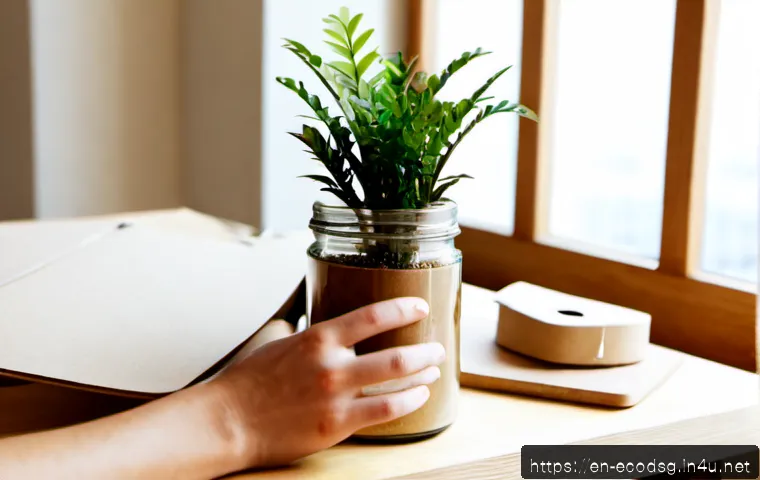
I started adding indoor plants to my workspace and living areas, and it transformed the atmosphere instantly—bringing freshness, color, and life into my home.
Using natural textures like wood, stone, and woven fabrics further enhances this connection, creating a warm, inviting environment that feels both stylish and calming.
Creating Visual and Physical Links to the Outdoors
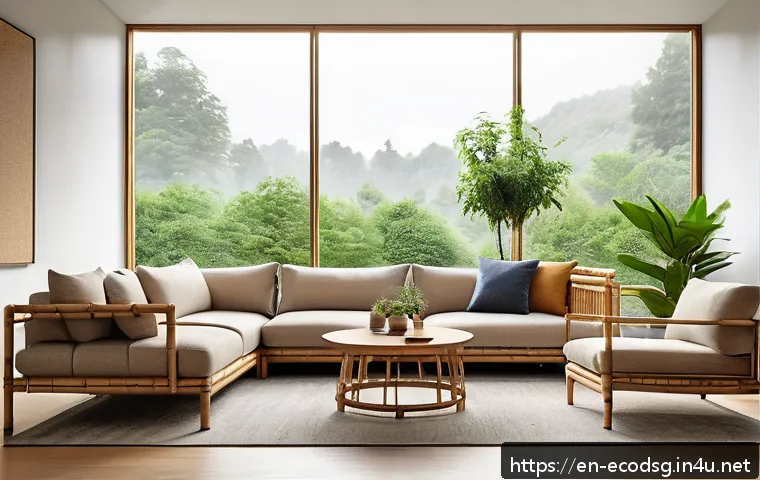
Design choices that maximize views of nature or open up to outdoor spaces help foster a sense of harmony with the environment. Large sliding doors that open to a garden or balcony, or even simply positioning seating areas near windows with green views, can make your home feel more expansive and connected.
I find that these elements not only enhance my daily experience but also encourage me to spend more time outside, which is a win for health and sustainability alike.
Using Natural Light to Support Human Circadian Rhythms
Natural light does more than just brighten a room—it helps regulate our internal clocks. Exposure to daylight supports better sleep, mood, and energy levels.
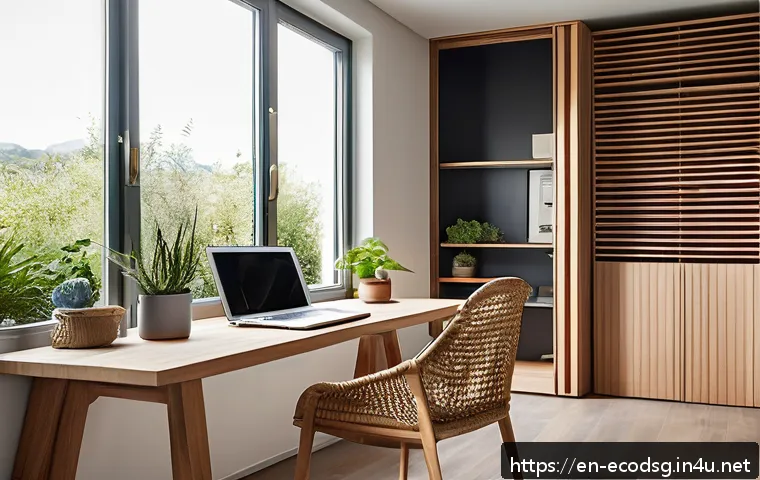
I’ve become more intentional about arranging furniture to soak up morning sun or avoid harsh afternoon glare, which has noticeably improved my daily rhythm.
Incorporating light wells or reflective surfaces can amplify natural light, making the interior feel vibrant and alive throughout the day.
Smart Layouts for Reducing Environmental Footprint
Designing Multi-Functional Spaces
Efficiency is at the heart of sustainable living, and smart layouts that serve multiple purposes reduce the need for extra square footage. For example, a guest bedroom that doubles as a home office or a dining area that transforms into a workspace can optimize your home’s footprint.
I redesigned a corner of my living room with a fold-away desk and convertible furniture, which helped me avoid adding another room and kept my space feeling open and functional.
Prioritizing Local and Ethical Sourcing
Where your materials and furnishings come from matters just as much as how they’re used. Supporting local artisans and suppliers not only reduces transportation emissions but also strengthens community economies.
I’ve made a habit of seeking out locally crafted items and sustainable brands, which often provide transparency about their sourcing and labor practices.
This approach adds a layer of authenticity and ethical value to my home that I deeply appreciate.
Flexible Design for Future Adaptability
Sustainable design also means thinking ahead. Creating spaces that can evolve with your needs avoids premature renovations or expansions that waste resources.
Modular furniture, movable walls, and adaptable lighting setups give you the freedom to change your home easily. I installed adjustable shelving and lighting in my kitchen, which allowed me to reconfigure the space as my lifestyle shifted without any major overhaul.
This flexibility extends the life of your interiors and keeps waste to a minimum.
| Eco-Friendly Design Aspect | Benefits | Examples | Personal Experience |
|---|---|---|---|
| Renewable Materials | Reduces deforestation, unique aesthetics | Bamboo flooring, reclaimed wood furniture | Switched to bamboo flooring; stylish and sustainable |
| Natural Light Utilization | Lowers energy costs, enhances mood | Skylights, large energy-efficient windows | Added skylights; reduced daytime lighting needs |
| Water Conservation | Decreases water bills, preserves resources | Low-flow fixtures, rainwater harvesting | Installed low-flow showerheads; noticeable savings |
| Biophilic Elements | Improves well-being, connects with nature | Indoor plants, natural textures | Added plants; uplifted home atmosphere |
| Multi-Functional Layouts | Maximizes space use, reduces need for expansion | Convertible furniture, modular rooms | Created home office/guest space; saved space |
Leveraging Technology to Enhance Eco-Design
Energy Monitoring and Management Systems
Smart meters and home energy management systems give you detailed insights into your energy consumption patterns. I installed one last year and was shocked at how much electricity certain devices used even when I thought they were off.
This knowledge empowered me to make simple adjustments like unplugging idle electronics and scheduling appliances to run during off-peak hours, which led to noticeable savings on my utility bills and a smaller carbon footprint.
Smart Lighting and Climate Control
Automated lighting systems and smart thermostats adapt to your habits and environmental conditions, reducing waste and improving comfort. For instance, motion-sensor lights ensure rooms aren’t lit unnecessarily, while smart thermostats optimize heating and cooling cycles based on your presence.
I’ve found these technologies incredibly convenient; they keep my home cozy without the constant hassle of manual adjustments and help me cut energy use without sacrificing comfort.
Integration with Renewable Energy Sources
If you’re looking to take sustainability further, integrating solar panels or small wind turbines into your design can drastically reduce reliance on fossil fuels.
Though it requires upfront investment, the long-term benefits include lower energy costs and a significant reduction in greenhouse gas emissions. When I explored solar options, the process seemed daunting at first, but the installers guided me through incentives and system sizing, making the switch surprisingly manageable and rewarding.
Fostering Community and Connection Through Sustainable Design
Supporting Local Green Initiatives
Sustainability extends beyond your home—it’s about building a community that values eco-conscious living. Participating in local green building programs, community gardens, or neighborhood recycling drives can amplify your impact.
I joined a local sustainability group that shares resources and ideas, which inspired me to make better choices and connect with like-minded neighbors.
This sense of belonging has made my eco-friendly journey more enjoyable and sustainable.
Sharing Resources and Reducing Consumption
Designing spaces with communal areas for sharing tools, appliances, or even vehicles can lower overall consumption and foster social bonds. In my apartment complex, a shared workshop and bike storage encourage residents to borrow rather than buy new items, which reduces waste and saves money.
Creating these shared spaces requires thoughtful planning but pays off by building a supportive, environmentally conscious community.
Educating and Inspiring Others
Finally, your eco-friendly design choices can serve as a powerful example for friends and family. When visitors notice your sustainable features and ask questions, it opens the door to conversations that spread awareness and inspire change.
I often get asked about my low-VOC paint or energy-efficient windows, and sharing my experiences helps others see that green design is achievable and worthwhile.
This ripple effect is one of the most rewarding parts of embracing sustainability in your home.
Closing Thoughts
Choosing sustainable materials and smart design strategies not only benefits the environment but also creates healthier, more comfortable living spaces. From thoughtful material selection to integrating technology and fostering community, every step counts toward a greener future. Embracing these practices has personally enriched my home and lifestyle, and I encourage you to explore how small changes can make a lasting impact.
Helpful Information to Remember
1. Renewable and recycled materials reduce environmental strain and often add unique style to your home.
2. Low-VOC paints improve indoor air quality, making your living space safer and more pleasant.
3. Maximizing natural light and ventilation cuts energy costs and enhances well-being.
4. Water-saving fixtures and efficient landscaping conserve precious resources and lower utility bills.
5. Smart home technologies and flexible layouts boost energy efficiency and adapt to your evolving needs.
Key Takeaways for Sustainable Living
Focusing on durability and lifecycle impact ensures long-term sustainability and reduces waste. Prioritizing local and ethical sourcing supports communities and minimizes carbon footprints. Integrating nature indoors through biophilic design improves health and mood, while smart technology complements natural systems to optimize energy use. Lastly, engaging with your community through shared resources and education amplifies the benefits of eco-friendly living and fosters meaningful connections.
Frequently Asked Questions (FAQ) 📖
Q: What are the most effective ways to incorporate eco-friendly design into my home without spending a fortune?
A: From my experience, the key is to start small and focus on impactful changes. Simple swaps like using energy-efficient LED lighting, opting for low-VOC paints, or installing water-saving fixtures can make a big difference both environmentally and on your utility bills.
Also, repurposing or upcycling furniture adds character and reduces waste. These choices don’t have to break the bank but can significantly boost your home’s sustainability while keeping it stylish and comfortable.
Q: How can sustainable design improve indoor air quality and overall health?
A: Sustainable design often prioritizes materials and methods that reduce harmful chemicals and promote better airflow. For example, choosing natural materials like bamboo or cork flooring and low-emission paints minimizes indoor toxins.
Incorporating plants and ensuring proper ventilation can further purify the air, creating a healthier living space. Personally, after switching to these eco-conscious options, I noticed a fresher atmosphere and felt more energized at home.
Q: Is it possible to blend eco-friendly design with modern aesthetics without compromising on style?
A: Absolutely! One of the biggest misconceptions is that sustainable design looks “too earthy” or outdated. In reality, green design embraces sleek, modern elements just as well.
I’ve seen and personally created interiors where reclaimed wood accents complement minimalist furniture, or energy-efficient appliances blend seamlessly into contemporary kitchens.
It’s about choosing quality, timeless pieces and smart materials that serve both function and fashion. Your space can be both trendy and planet-friendly without any trade-offs.