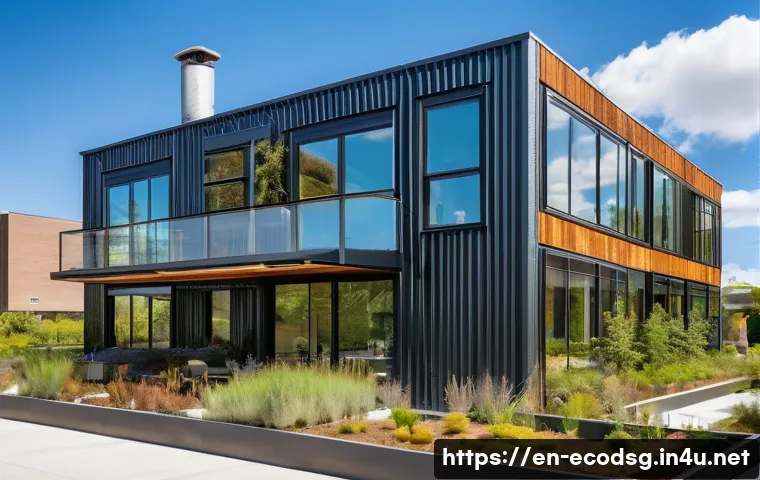
Pursuing a career as an eco-design expert means stepping into a field where creativity meets sustainability. As industries increasingly prioritize green solutions, the demand for professionals skilled in environmentally conscious design continues to grow.
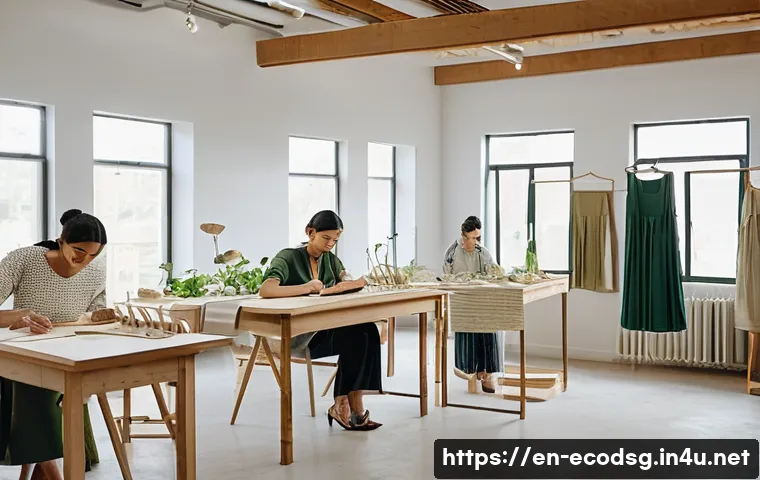
This path offers the chance to influence product development, reduce waste, and promote a healthier planet. Whether you’re passionate about architecture, fashion, or technology, eco-design opens doors to innovative opportunities.
Ready to explore how you can build a meaningful and impactful career in this dynamic sector? Let’s dive in and uncover the details together!
Understanding the Foundations of Eco-Design
The Core Principles Behind Sustainable Creativity
Eco-design isn’t just about making things look good; it’s deeply rooted in principles that prioritize the planet. At its heart, eco-design focuses on reducing environmental impact throughout a product’s lifecycle—from sourcing materials to manufacturing, usage, and eventual disposal or recycling.
Designers must think critically about resource efficiency, waste minimization, and the use of renewable or recycled materials. It’s a mindset shift that challenges traditional design norms and pushes for innovation that aligns with ecological balance.
Personally, once I began grasping these core principles, my approach to projects completely transformed, making every design decision feel more meaningful and responsible.
How Materials Shape Sustainable Design Choices
Materials can make or break an eco-friendly product. Knowing which resources are renewable, biodegradable, or recyclable is crucial. For example, opting for bamboo or reclaimed wood instead of plastic dramatically lowers environmental footprints.
But it’s not just about the material itself; the way it’s processed and sourced matters too. Locally sourced materials reduce transportation emissions, while non-toxic finishes protect both users and ecosystems.
I’ve often found myself hunting for suppliers who provide transparent, certified materials, which adds a layer of trust and authenticity to the final product.
This hands-on exploration also helps in staying ahead of trends and emerging eco-friendly innovations.
Life Cycle Thinking: Beyond the Initial Design
A standout aspect of eco-design is the emphasis on the entire life cycle of a product. This means considering how a product will be used, maintained, and eventually disposed of or repurposed.
Designing for durability, ease of repair, or modularity ensures that items last longer and don’t end up in landfills prematurely. This approach demands foresight and empathy for the end user, encouraging designs that adapt over time rather than being disposable.
Through my own projects, I’ve noticed that incorporating life cycle thinking leads to more thoughtful, user-friendly designs that customers genuinely appreciate and return to.
Skills and Knowledge Vital for Eco-Design Experts
Technical Proficiency and Environmental Science
To excel in eco-design, blending creativity with technical know-how is essential. Understanding environmental science basics—like carbon footprints, pollution types, and resource cycles—helps ground design choices in real-world impact.
Equally important is proficiency with design tools and software that facilitate sustainable modeling and material analysis. I’ve spent countless hours mastering programs like CAD and life cycle assessment tools, which empower me to simulate outcomes and optimize designs before production.
This combination of science and tech skills positions eco-designers as informed problem-solvers in a complex sustainability landscape.
Communication and Collaboration Skills
An eco-design expert rarely works in isolation. Coordinating with engineers, marketers, manufacturers, and clients is key to ensuring sustainability goals are met at every stage.
Effective communication skills help bridge gaps between creative vision and practical implementation. I’ve found that storytelling—explaining the environmental benefits and innovative aspects of a design—often wins stakeholder buy-in and inspires collective commitment.
Collaboration also fuels creativity, as diverse perspectives spark solutions that might otherwise go unnoticed.
Staying Updated with Regulations and Certifications
Sustainability standards and regulations evolve rapidly, and keeping up-to-date is critical. Certifications like LEED, Cradle to Cradle, or the Forest Stewardship Council can enhance credibility and marketability of eco-designed products.
Navigating these frameworks requires continuous learning and sometimes specialized training. Personally, I subscribe to industry newsletters and attend webinars regularly, which has helped me advise clients accurately and maintain compliance without stifling innovation.
Exploring Career Opportunities Across Industries
Eco-Design in Architecture and Urban Planning
Green building design is a booming field where eco-design experts shape healthier, more energy-efficient living spaces. From selecting sustainable materials to integrating renewable energy systems and optimizing natural lighting, the scope is vast.
I remember working on a project where we incorporated passive solar design principles that not only cut energy costs but also created a more comfortable environment for occupants.
These roles often demand interdisciplinary knowledge and a passion for transforming how communities interact with their environment.
The Role of Eco-Design in Fashion and Textiles
Sustainable fashion is gaining massive traction as consumers demand transparency and ethical production. Eco-designers in this sector work with organic fabrics, zero-waste patterns, and innovative dyeing techniques that minimize water and chemical use.
I’ve collaborated with designers experimenting with plant-based dyes and circular fashion models where garments are designed to be recycled or composted.
This sector offers a unique blend of artistic expression and environmental responsibility, appealing to those who want to make a visible impact on consumer habits.
Technology and Product Innovation with Sustainability in Mind
Technology companies increasingly embed eco-design principles into product development, from electronics to everyday household items. Designing for disassembly, using biodegradable components, or enhancing energy efficiency are common challenges.
I’ve been involved in projects where we reimagined packaging to reduce plastic use dramatically, replacing it with compostable materials without compromising protection.
This industry demands creativity, technical savvy, and a deep understanding of user behavior to balance sustainability with functionality.
Building a Strong Portfolio to Showcase Your Eco-Design Expertise
Highlighting Real-World Impact and Case Studies
When presenting your skills to potential employers or clients, showing tangible results is far more powerful than just listing qualifications. I always recommend including detailed case studies that explain the problem, your eco-design solution, and measurable outcomes like waste reduction or energy savings.
Adding before-and-after visuals or testimonials can further demonstrate your effectiveness. This approach not only builds credibility but also tells a compelling story about your commitment to sustainability.
Leveraging Digital Platforms and Networking
In today’s digital age, maintaining an active online presence is a must. Creating a personal website or portfolio on platforms like Behance or LinkedIn allows you to reach wider audiences and connect with industry professionals.
Sharing insights through blog posts or webinars can position you as a thought leader. I’ve found that participating in eco-design communities and attending conferences opens doors to collaborations and job opportunities that aren’t always publicly advertised.
Continuous Learning and Certifications
Sustainability is an evolving field, so investing in ongoing education enhances your expertise and market value. Certifications in sustainable design or environmental management signal professionalism and dedication.
Personally, pursuing credentials like the WELL Building Standard or Sustainable Design Professional has expanded my toolkit and boosted client confidence.
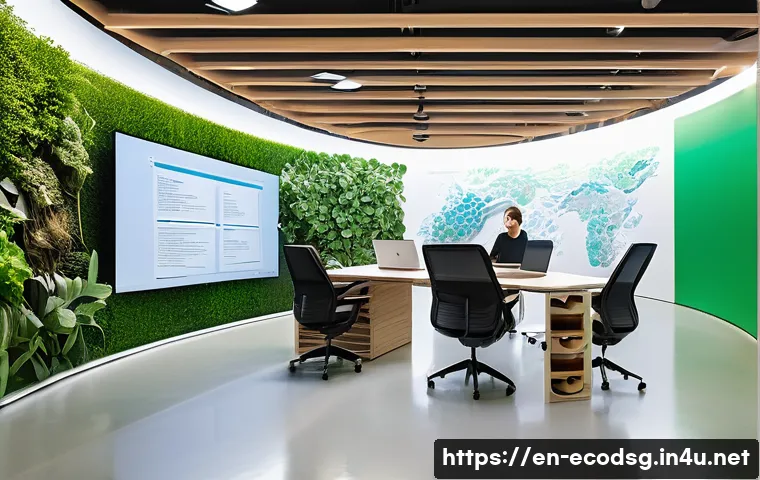
Additionally, staying curious about emerging materials, technologies, and policies helps keep your portfolio fresh and relevant.
Strategies for Navigating the Eco-Design Job Market
Identifying High-Growth Sectors and Employers
Certain industries are leading the charge in sustainability, including renewable energy, green construction, and sustainable consumer goods. Targeting companies known for their environmental commitments can improve your chances of finding fulfilling roles.
I often recommend researching corporate sustainability reports to understand their priorities and tailor your applications accordingly. Knowing where the demand lies helps you focus efforts strategically rather than scattering them too thin.
Crafting Tailored Resumes and Cover Letters
When applying, customizing your resume to highlight relevant eco-design experiences and skills makes a significant difference. Use keywords from job descriptions and quantify achievements wherever possible.
In cover letters, share personal motivations for pursuing sustainability and examples of problem-solving in eco-design contexts. From my experience, recruiters appreciate authenticity combined with clear evidence of impact, which can set you apart from other candidates.
Preparing for Interviews with Real Examples
Interviewers often want to see how you apply your knowledge in practical situations. Be ready to discuss specific projects, challenges faced, and how you integrated sustainability principles.
I suggest preparing STAR (Situation, Task, Action, Result) stories that demonstrate your expertise and adaptability. Also, show enthusiasm for ongoing learning and collaboration, as these traits are highly valued in the evolving field of eco-design.
Essential Tools and Technologies Empowering Eco-Designers
Software for Sustainable Modeling and Simulation
Advanced tools like Autodesk Revit, SolidWorks Sustainability, and SimaPro enable designers to simulate environmental impacts and optimize resource use before production.
I’ve relied heavily on these platforms to experiment with alternative materials and energy-efficient designs, which saves time and costs downstream. Mastering these tools can elevate your ability to deliver data-driven, eco-conscious solutions that resonate with clients and stakeholders alike.
Material Databases and Life Cycle Assessment Resources
Access to comprehensive material databases—such as the Material ConneXion or Ecoinvent—helps identify sustainable options quickly. Life cycle assessment (LCA) tools evaluate a product’s environmental footprint across all stages.
Integrating these resources into the design process ensures accountability and transparency. My workflow always includes cross-referencing multiple databases to balance performance, cost, and sustainability criteria effectively.
Collaboration and Project Management Platforms
Eco-design projects often involve multi-disciplinary teams spread across locations. Tools like Trello, Asana, and Slack facilitate seamless communication and task tracking.
I’ve noticed that having clear project management structures reduces misunderstandings and keeps sustainability goals front and center. These platforms also help document progress and lessons learned, which is invaluable for continuous improvement and reporting purposes.
Comparing Roles and Salaries in Eco-Design Careers
Typical Positions and Their Responsibilities
Eco-design careers span a wide range of roles, from sustainability consultants and product designers to environmental engineers and materials specialists.
Responsibilities vary but generally include research, concept development, prototyping, and client collaboration. Some roles focus more on policy and compliance, while others dive deep into creative innovation.
Understanding the nuances helps align your skills and interests with the right opportunities.
Salary Expectations and Influencing Factors
Compensation in eco-design can differ widely based on industry, location, and experience level. Entry-level positions in smaller firms might start around $50,000 annually, while seasoned experts in tech or architecture sectors can command salaries upwards of $100,000.
Certifications, advanced degrees, and demonstrated impact often lead to higher pay. In my journey, investing in specialized training and building a strong portfolio made a noticeable difference in salary negotiations.
Work Environment and Career Growth Potential
Many eco-design roles offer flexible and collaborative work environments, sometimes with options for remote work. The field is growing rapidly, creating ample room for advancement into leadership, consultancy, or entrepreneurship.
Personally, I’ve witnessed colleagues transition from junior designers to sustainability directors within a few years by continuously expanding their expertise and networks.
| Role | Average Salary (USD) | Key Skills | Typical Industries |
|---|---|---|---|
| Sustainability Consultant | 65,000 – 90,000 | Environmental Analysis, Communication, Project Management | Consulting, Corporate, Government |
| Eco-Product Designer | 55,000 – 85,000 | CAD, Material Science, Creative Problem Solving | Consumer Goods, Fashion, Tech |
| Green Architect | 70,000 – 110,000 | LEED Certification, Urban Planning, Energy Modeling | Architecture, Construction |
| Environmental Engineer | 60,000 – 95,000 | Engineering, Sustainability Compliance, Life Cycle Assessment | Manufacturing, Energy, Government |
Closing Thoughts
Eco-design is more than a trend; it’s a vital shift towards responsible creativity that benefits both people and the planet. Embracing sustainable principles not only enriches design outcomes but also fosters innovation that lasts. By continuously learning and collaborating, eco-designers can make meaningful contributions across industries and inspire positive change.
Useful Information to Keep in Mind
1. Sustainable materials and life cycle thinking are key to creating products that minimize environmental impact while meeting user needs.
2. Strong communication and collaboration skills are essential for aligning diverse teams around eco-friendly goals.
3. Staying updated on certifications and regulations boosts credibility and ensures compliance with evolving sustainability standards.
4. Building a portfolio that highlights real-world impact helps demonstrate your expertise and attract opportunities.
5. Leveraging digital tools and continuous education keeps eco-designers competitive and ready to tackle new challenges.
Key Takeaways
Mastering eco-design requires a balance of creativity, technical knowledge, and environmental awareness. Prioritizing sustainability from material selection to end-of-life considerations creates more durable, responsible products. Effective communication and ongoing learning are crucial for success, as is adapting to industry trends and regulations. By focusing on real impact and building strong networks, eco-design professionals can advance their careers while making a positive difference.
Frequently Asked Questions (FAQ) 📖
Q: What skills are essential to become a successful eco-design expert?
A: To thrive as an eco-design expert, you’ll need a blend of creativity and technical knowledge. Strong skills in sustainable materials, life cycle analysis, and environmental impact assessment are crucial.
Additionally, proficiency in design software, an understanding of regulations related to environmental standards, and the ability to collaborate across disciplines will set you apart.
I’ve found that staying curious about emerging green technologies and constantly learning about innovative eco-friendly practices really helps keep your designs both cutting-edge and effective.
Q: How can I start building a career in eco-design if I’m new to the field?
A: Starting out, it’s great to focus on education and hands-on experience. Pursuing degrees or certifications in environmental design, sustainable architecture, or industrial design with a green focus can open doors.
Internships or volunteer work with organizations committed to sustainability provide real-world insights and networking opportunities. When I first entered this field, working on small projects that prioritized eco-friendly choices helped me build confidence and a portfolio that employers noticed.
Don’t hesitate to join professional groups or attend eco-design conferences to connect with experts and stay updated on industry trends.
Q: What industries offer the best opportunities for eco-design professionals?
A: Eco-design expertise is in demand across a variety of sectors. Architecture and construction companies increasingly seek sustainable building solutions, while the fashion industry is shifting toward eco-friendly fabrics and zero-waste patterns.
Technology firms are also exploring energy-efficient product designs and recyclable components. From my experience, the most exciting opportunities are often found where innovation meets environmental responsibility—think renewable energy product design, sustainable packaging, or even urban planning focused on green infrastructure.
Being flexible and open to different industries can expand your career prospects significantly.