As sustainability takes center stage in today’s design world, more professionals are seeking ways to blend creativity with eco-conscious choices. If you’ve ever wondered how real-world eco-design projects come to life, you’re in the right place.
Inside the Green Studio offers an authentic glimpse into the challenges and triumphs faced by an eco-design expert. From sourcing sustainable materials to balancing aesthetics with environmental impact, these insights are both inspiring and practical.
Whether you’re a design enthusiast or simply curious about green innovation, this journey reveals how thoughtful design can shape a better future. Let’s dive into the heart of sustainable creativity and discover lessons that go beyond theory.
Choosing Materials That Tell a Story
Finding Authenticity in Sustainable Sources
When I first started diving into eco-design, the biggest eye-opener was how much the story behind a material matters. It’s not just about picking something labeled “green” or “recycled”—it’s about tracing its origin, understanding its lifecycle, and connecting it to the project’s vision.
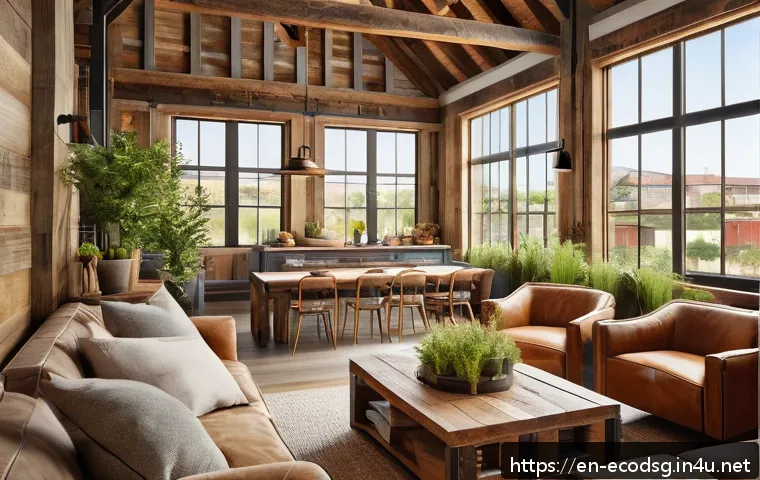
For example, I worked on a community space where we sourced reclaimed wood from a local barn that was being dismantled. The wood carried a history, and incorporating it didn’t just reduce waste; it gave the space character and a sense of place.
That kind of authenticity resonates with people much more deeply than generic sustainable materials you might find in a catalog.
Balancing Durability and Environmental Impact
One tricky aspect is selecting materials that last without costing the planet too much. I’ve seen projects where the team went for a material that was fully recyclable but ended up needing replacement every few years, which ironically created more waste over time.
In my experience, striking a balance between durability and sustainability is key. I often lean towards materials that may have a slightly higher upfront environmental footprint but extend the product’s lifespan significantly.
This approach reduces the frequency of replacements and overall resource consumption, which aligns better with long-term eco goals.
Local vs. Global: The Transportation Dilemma
Transportation is a hidden environmental cost that often gets overlooked. I remember sourcing natural fiber textiles for an interior design project. There was a beautiful hemp fabric from overseas, but when factoring in shipping emissions, local hemp alternatives made more sense.
Sometimes, local materials might have a slightly higher production impact, but the drastically reduced transportation emissions tip the scales. It’s always a nuanced decision, and I try to run rough carbon footprint calculations to guide these choices.
Integrating Eco-Design with Client Expectations
Educating Clients Without Overwhelming Them
Clients don’t always come in knowing what eco-design entails, so part of my job is translating sustainability jargon into relatable ideas. I’ve learned that bombarding them with technical terms or data can be counterproductive.
Instead, I focus on storytelling and tangible benefits—like how a green roof can cool a building naturally, lowering energy bills, or how non-toxic finishes improve indoor air quality.
When clients see the real-world perks alongside environmental benefits, they’re more engaged and supportive.
Negotiating Aesthetic Preferences and Sustainability Goals
Sometimes, clients have a clear visual style in mind that doesn’t initially align with sustainable options. For instance, wanting a glossy, high-VOC lacquer finish versus a matte, low-impact natural oil.
In these situations, I present alternatives that meet their aesthetic expectations but also reduce environmental harm. It often involves showing samples, explaining trade-offs, and being open to a few compromises.
Over time, many clients become more adventurous, realizing eco-friendly materials can be beautiful, unique, and even trendsetting.
Managing Budgets Without Sacrificing Quality
Budget constraints are real, and eco-design isn’t always perceived as the cheapest route. Early in my career, I struggled to convince clients that investing upfront in sustainable materials and methods could save money in the long run.
Now, I emphasize lifecycle costs and return on investment, like reduced maintenance or energy savings. I’ve also built a network of trusted suppliers who offer competitive pricing for eco-friendly products, which helps keep projects financially viable without cutting corners on quality.
Innovative Techniques in Sustainable Construction
Embracing Modular and Prefabricated Systems
Prefabrication has been a game changer for me. It minimizes onsite waste, speeds up construction, and often uses materials more efficiently. On one project, we used modular wall panels made from recycled content, which slashed construction time and reduced dust and debris.
Clients appreciated the cleaner, quieter process, especially in urban settings. Prefab also allows for better quality control since components are made in controlled environments, reducing defects and rework.
Incorporating Passive Design Strategies
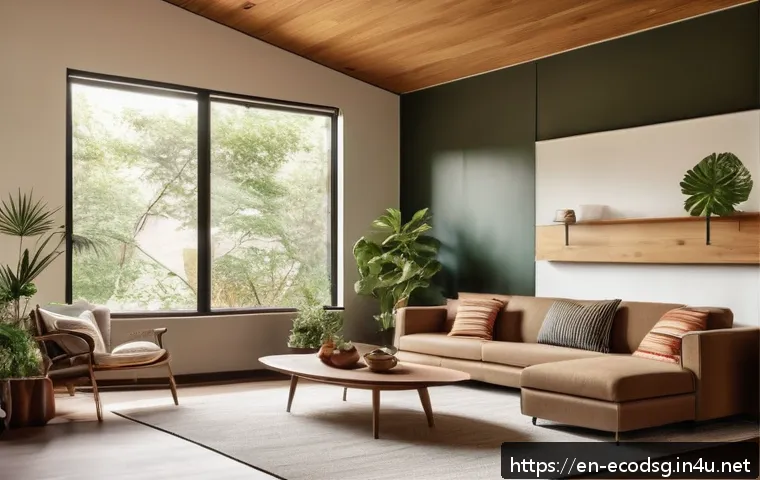
Passive design principles—like maximizing natural light, optimizing ventilation, and using thermal mass—are foundational to eco-design. I’ve experimented with different window placements and shading devices to reduce reliance on mechanical heating and cooling.
In one residence, orienting the living areas toward the south and installing operable clerestory windows significantly cut energy use. These strategies require thoughtful planning but pay off by creating comfortable spaces that harmonize with their environment.
Reusing and Repurposing Onsite Materials
Salvaging materials during demolition or renovation has been one of the most rewarding parts of my practice. It’s like uncovering hidden treasures. From bricks to tiles, even metal fixtures, reusing onsite materials reduces landfill waste and adds unique character.
I remember a project where old bricks were cleaned and used for a new courtyard wall, creating a beautiful blend of old and new. It takes some creativity and flexibility, but the environmental and aesthetic rewards make it worth the effort.
Measuring Impact Beyond Certifications
Going Past LEED and WELL
Certifications like LEED or WELL provide a useful framework, but I’ve found that relying solely on them can miss some nuances of sustainability. In practice, I look at a broader picture—how materials age, community impact, and even the wellbeing of construction workers.
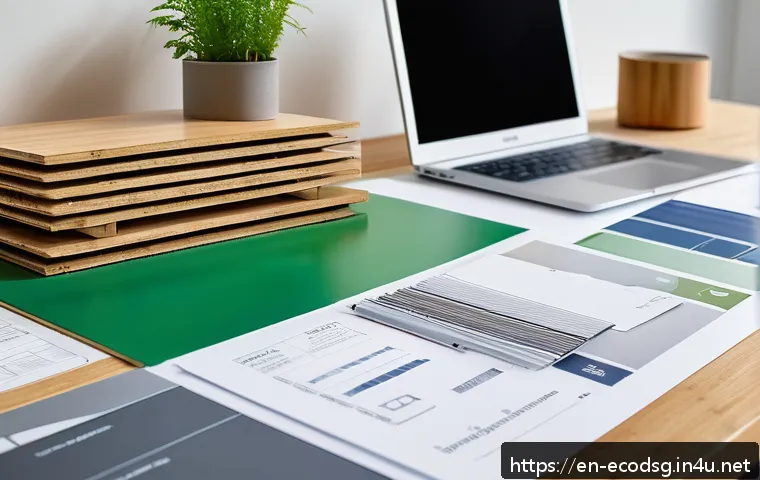
For example, using a product with a low carbon footprint but sourced unethically wouldn’t meet my personal standards, even if it ticks certification boxes.
This holistic view helps create truly responsible projects.
Tracking Long-Term Environmental Performance
One of the toughest challenges is monitoring how a building or product performs years after completion. I’ve started working with clients to implement simple tracking systems—energy meters, water use logs, even occupant feedback surveys.
This data reveals what’s working and what needs adjustment. It also builds trust and accountability, showing that sustainability isn’t a one-time checkmark but an ongoing commitment.
Communicating Impact to Stakeholders
Sharing the story of a project’s environmental performance is crucial for transparency and education. I’ve created dashboards and visual reports that break down complex data into engaging formats.
For community projects, hosting open days or tours where people can see sustainable features firsthand has been very effective. These communication efforts help amplify the impact beyond the immediate project and inspire others to adopt similar practices.
Collaborating Across Disciplines for Green Success
Building Relationships with Suppliers and Craftspeople
Sustainable design thrives on strong partnerships. Early on, I realized that working closely with suppliers who share the same values makes a huge difference.
For instance, I connected with a local artisan who specializes in natural dyes and fibers, enabling custom, eco-friendly finishes that elevated the project’s uniqueness.
These collaborations often lead to innovations that wouldn’t happen in isolation, enriching both design and sustainability outcomes.
Engaging Engineers and Consultants Early
Integrating eco principles effectively requires input from engineers and consultants from the start. On one project, involving a structural engineer familiar with timber construction early in the design phase allowed us to push the envelope on using cross-laminated timber, reducing steel and concrete use.
This early collaboration smooths out technical challenges and opens up new possibilities that blend creativity with environmental responsibility.
Fostering Community Involvement
Community engagement isn’t just good PR—it’s essential for creating spaces that truly serve people and the planet. I’ve facilitated workshops where future users contribute ideas about sustainability features or material choices.
This participatory approach builds a sense of ownership and often uncovers insights designers might miss. Plus, it aligns the project with local values and needs, making the sustainability effort more meaningful and lasting.
Comparing Common Sustainable Materials: Strengths and Challenges
| Material | Environmental Benefits | Challenges |
|---|---|---|
| Bamboo | Fast-growing, renewable, strong and lightweight | Quality varies, transportation emissions if not local, requires proper treatment to resist pests |
| Reclaimed Wood | Reduces landfill waste, adds character, low embodied energy | Limited availability, may require extra processing, inconsistent quality |
| Recycled Metal | Reduces mining impact, durable, recyclable | Energy-intensive recycling process, potential contamination issues |
| Natural Fiber Textiles | Biodegradable, low energy production, often local | Less durable than synthetics, can be more expensive, sensitive to moisture |
| Low-VOC Paints | Improves indoor air quality, reduces toxins | May have limited color options, sometimes higher cost |
In Conclusion
Choosing materials that tell a story and align with sustainable principles transforms a project beyond aesthetics. When thoughtfully integrated with client goals and innovative construction methods, eco-design becomes a meaningful, lasting experience. It’s about balancing environmental responsibility with beauty, function, and community impact to create spaces that truly resonate.
Helpful Information to Keep in Mind
1. Authenticity in materials enhances both environmental and emotional value in design projects.
2. Durability often outweighs initial sustainability labels when considering a material’s full lifecycle.
3. Local sourcing can reduce transportation emissions, but careful evaluation is necessary to find the best option.
4. Educating clients through storytelling and tangible benefits fosters stronger support for sustainable choices.
5. Collaborating early with experts and involving communities enriches the design process and outcomes.
Key Takeaways
Sustainable design requires a holistic approach that goes beyond certifications to consider ethical sourcing, long-term performance, and real-world impacts. Prioritizing materials with meaningful stories, balancing durability with eco-friendliness, and engaging clients and collaborators early ensures projects that are both beautiful and responsible. Ultimately, the success of eco-design lies in its ability to harmonize environmental goals with human experience and practical realities.
Frequently Asked Questions (FAQ) 📖
Q: How do eco-design professionals source sustainable materials without compromising quality or aesthetics?
A: From my experience, finding sustainable materials that meet both quality and design standards requires a mix of research and hands-on testing. I’ve found that building relationships with trusted suppliers who specialize in eco-friendly products is crucial.
Often, it’s about exploring innovative materials like reclaimed wood, recycled metals, or plant-based composites. While some options might initially seem limited, creative problem-solving helps bridge the gap between sustainability and style.
Plus, experimenting with these materials firsthand lets you discover unexpected textures and finishes that can elevate a project’s visual appeal without harming the environment.
Q: What are the biggest challenges when balancing environmental impact with creative freedom in eco-design?
A: One of the toughest parts I’ve faced is navigating the tension between strict sustainability criteria and the desire for artistic expression. Sometimes, the most eco-friendly options might restrict certain design elements or require compromises in form or color.
It’s a delicate dance — you want to push creative boundaries but not at the expense of the planet. I learned that transparency with clients and collaborators is key; sharing the “why” behind material or process choices often leads to more understanding and innovative solutions.
In the end, constraints can spark fresh ideas, pushing you to think outside the box in ways you hadn’t imagined.
Q: How can designers measure the real-world environmental benefits of their eco-design projects?
A: Measuring impact goes beyond just picking green materials. I rely on tools like Life Cycle Assessments (LCA) to evaluate the environmental footprint from production to disposal.
Tracking energy usage, waste reduction, and recyclability helps paint a clearer picture of sustainability performance. That said, the numbers alone don’t tell the whole story.
Observing how a project influences user behavior or community awareness adds another meaningful layer. In practice, combining quantitative data with qualitative feedback ensures a holistic understanding of how eco-design contributes to a healthier planet.