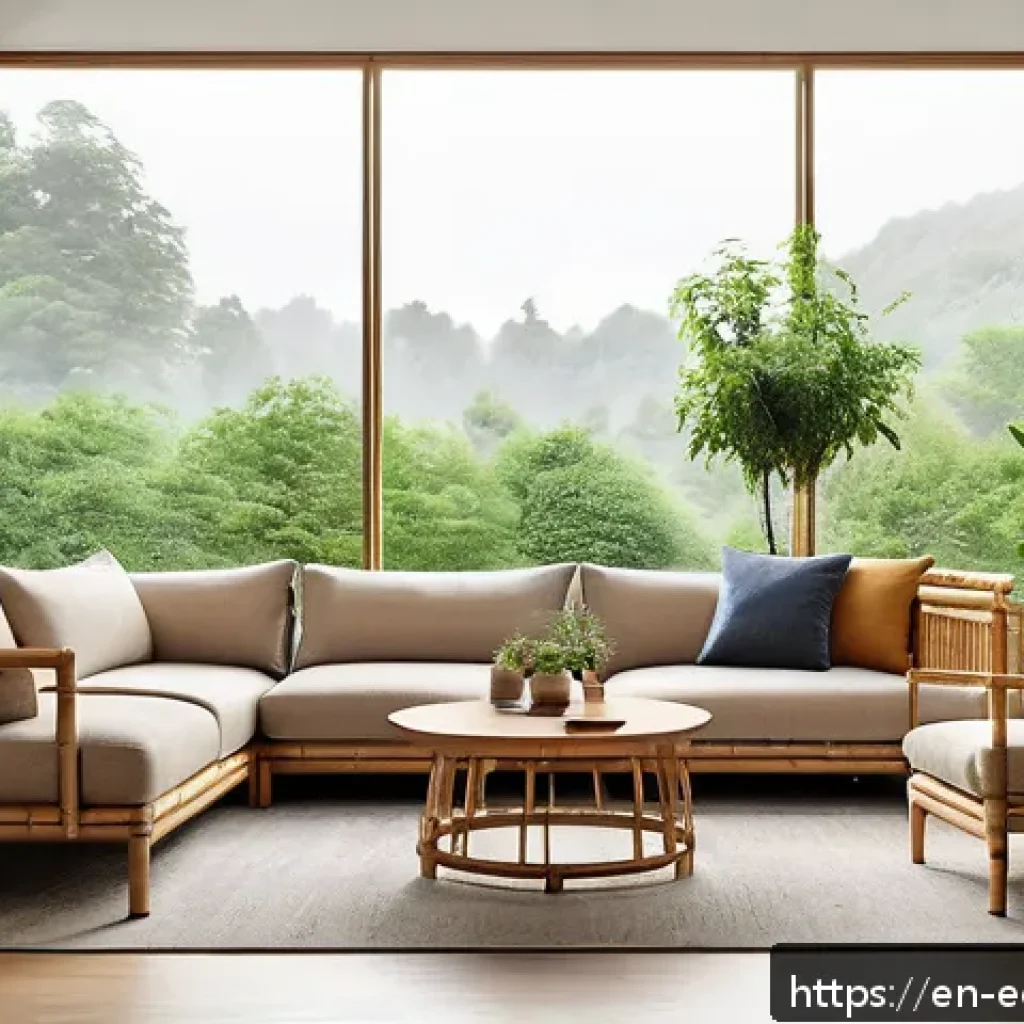
Lately, conversations around sustainability have taken center stage, highlighting the urgent need for smarter, eco-friendly solutions. Among these, eco-design is emerging as a game-changer, seamlessly blending innovation with environmental responsibility.
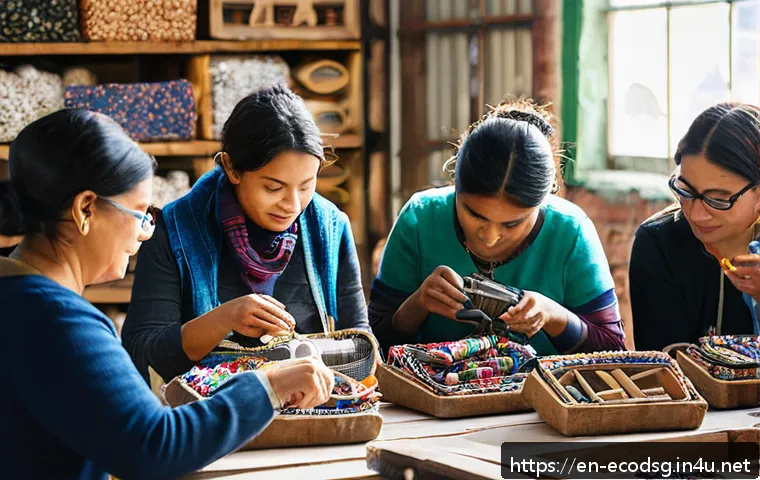
It’s fascinating how this approach not only reduces waste but also drives the circular economy forward by rethinking product life cycles. If you’ve ever wondered how design can make a tangible impact on our planet’s future, you’re in the right place.
Let’s dive into the latest breakthroughs and see how eco-design is shaping a more sustainable tomorrow.
Innovative Strategies Behind Sustainable Product Creation
Material Choices That Make a Difference
Choosing the right materials is pivotal when aiming to reduce environmental impact. Designers today are leaning heavily toward renewable, biodegradable, or recycled inputs, shifting away from plastics and non-renewable resources that linger in landfills for centuries.
For instance, bamboo, cork, and mycelium-based composites have gained traction not only for their sustainability but also for their aesthetic versatility.
From personal experience, products made with these materials often feel more authentic and high-quality, which speaks volumes about how conscious choices can elevate user satisfaction while benefiting the planet.
Designing for Durability and Repairability
A common misconception is that eco-friendly products compromise on durability, but the reality is quite the opposite. Smart design incorporates modular components, making it easier to repair or upgrade instead of discarding the entire item.
I’ve noticed that when products are designed with maintenance in mind, they tend to foster a deeper connection between users and the items they own, ultimately reducing consumption rates.
Brands investing in repair-friendly designs often see loyal customers who appreciate the transparency and longevity offered.
Minimalism as a Sustainable Statement
Less is more has become a guiding principle beyond aesthetics—it’s a sustainability mantra. By stripping down to essential functions and avoiding unnecessary embellishments, minimalist design reduces material use and waste.
This approach also tends to resonate well with consumers seeking clarity and purpose in their purchases. In my experience, minimalist products not only simplify life but also encourage mindful consumption habits, which is a subtle yet powerful way to impact the environment positively.
Reimagining Waste: Closing the Loop in Product Lifecycles
Upcycling: Giving Old Materials New Life
Upcycling transforms what would be waste into valuable products, reducing landfill contributions and conserving resources. It’s inspiring to see how discarded textiles, wood scraps, or even electronic components can be creatively repurposed.
I’ve personally tried products made from upcycled materials and found them to have unique character and stories, which adds a layer of emotional value often missing in mass-produced goods.
Biodegradable Innovations That Break Down Naturally
Materials engineered to biodegrade safely in natural environments are gaining momentum. These innovations address the growing problem of microplastics and persistent waste.
Biopolymers, plant-based packaging, and edible films are examples that minimize environmental footprints without sacrificing functionality. Testing such products firsthand reveals their potential to revolutionize industries like food packaging and single-use items, making sustainable choices more accessible.
Product Take-Back Programs
Encouraging consumers to return products at the end of their use phase supports circularity and responsible disposal. Brands implementing take-back schemes not only reduce waste but also recover valuable materials for new production cycles.
From what I’ve observed, customers appreciate when companies take accountability, which fosters trust and reinforces sustainable brand identities.
Technology’s Role in Sustainable Innovation
Smart Design Tools and Simulation Software
The integration of advanced CAD software and simulation tools allows designers to predict environmental impacts before production begins. This digital foresight helps optimize resource use and minimize waste, streamlining the development process.
My experience working with such tools shows that early-stage sustainability planning can prevent costly redesigns and reduce trial-and-error, making eco-conscious design more efficient and effective.
3D Printing and On-Demand Manufacturing
Additive manufacturing reduces material waste by building products layer by layer and supports localized production, which cuts transportation emissions.
Experimenting with 3D printed prototypes has demonstrated how this technology enables rapid iteration with minimal environmental costs. Additionally, on-demand manufacturing decreases overproduction, a major contributor to waste in traditional supply chains.
Data-Driven Consumer Insights for Sustainable Choices
Analyzing consumer behavior through data analytics helps brands tailor products that meet sustainability criteria while matching user preferences. This approach ensures that eco-friendly products don’t sacrifice appeal or functionality.
From my perspective, this alignment is key to wider adoption, as it bridges the gap between environmental responsibility and market demand.
Consumer Engagement: Fostering Sustainable Mindsets
Storytelling That Connects Emotionally
Sharing the journey behind sustainable products—materials, design choices, and impact—creates emotional connections that encourage responsible consumption.
When I’ve seen brands transparently communicate their values, it deepens my appreciation and makes me more likely to support them. Authentic stories make sustainability tangible and relatable, moving beyond abstract concepts.
Educational Initiatives and Workshops
Hands-on experiences like DIY repair workshops or upcycling classes empower consumers to actively participate in sustainability. These initiatives demystify eco-friendly practices and foster community engagement.
I’ve attended such events and found them not only informative but also inspiring, creating a sense of shared responsibility that extends beyond individual actions.

Incentives for Sustainable Behavior
Reward programs, discounts for returning used products, or loyalty points for eco-conscious purchases motivate consumers to make greener choices. From personal experience, incentives add an extra nudge that can tip the balance when deciding between conventional and sustainable options, making environmentally friendly behavior more accessible and rewarding.
Measuring Impact: Tools to Track Sustainability Progress
Life Cycle Assessment (LCA)
LCA provides a comprehensive evaluation of environmental impacts across a product’s entire lifespan, from raw material extraction to disposal. This method helps identify hotspots where improvements can be made.
I’ve worked with LCA data and found it invaluable in guiding design decisions toward genuinely sustainable outcomes rather than surface-level fixes.
Carbon Footprint Calculators
These tools quantify greenhouse gas emissions associated with products or processes, enabling brands to set reduction targets. Using such calculators helps translate abstract sustainability goals into concrete metrics.
In practice, seeing the numbers behind emissions motivates more strategic choices in materials sourcing and manufacturing.
Transparency Through Reporting and Certification
Third-party certifications like Cradle to Cradle or B Corp provide credibility and assure consumers about a product’s sustainability claims. Clear reporting fosters trust and accountability.
I’ve noticed that products with recognized certifications tend to perform better in competitive markets, proving that transparency is both ethical and commercially wise.
Comparative Overview of Sustainable Design Approaches
| Design Approach | Key Characteristics | Environmental Benefits | Challenges |
|---|---|---|---|
| Use of Renewable Materials | Incorporates bamboo, cork, recycled plastics | Reduces reliance on fossil fuels, lowers waste | Material sourcing and cost variability |
| Modular and Repairable Design | Easy disassembly and component replacement | Extends product lifespan, reduces landfill | Requires thoughtful engineering and standards |
| Upcycling | Transforms waste into new products | Minimizes raw material use, diverts waste | Inconsistent supply and quality of materials |
| Biodegradable Materials | Plant-based polymers, edible packaging | Breaks down naturally, reduces microplastics | Performance limitations and cost factors |
| Digital and Additive Manufacturing | 3D printing, simulation tools | Reduces waste, enables local production | Technology adoption barriers, scalability |
Future Directions in Eco-Conscious Design
Integrating Circular Economy Principles at Scale
The next wave involves embedding circularity deeply into supply chains and product strategies, making reuse and regeneration the default. From what I observe, this shift requires collaboration across industries and policy support to become mainstream, but the potential environmental gains are immense.
Embracing Biomimicry for Innovative Solutions
Nature-inspired design offers ingenious ways to solve sustainability challenges by mimicking ecosystems and biological processes. This approach not only inspires creativity but also enhances efficiency.
Experimenting with biomimicry concepts shows how blending technology with natural wisdom can unlock new frontiers in eco-design.
Leveraging AI to Optimize Sustainable Outcomes
Artificial intelligence can analyze vast datasets to identify optimal materials, designs, and supply routes that minimize environmental impact. Early implementations suggest AI’s potential to revolutionize product development cycles, making sustainability an integral, data-driven aspect of design rather than an afterthought.
From my perspective, this represents a promising frontier that combines cutting-edge tech with ecological responsibility.
Conclusion
Innovative strategies in sustainable product creation are reshaping how we think about design, materials, and consumer engagement. By prioritizing durability, circularity, and technology integration, we can create products that not only meet modern needs but also protect the planet. Embracing these approaches encourages responsible consumption and fosters a deeper connection between people and what they use every day.
Useful Information to Know
1. Choosing renewable and biodegradable materials helps reduce environmental impact and often enhances product quality and user satisfaction.
2. Designing products for easy repair and modular upgrades extends their lifespan and builds stronger customer loyalty.
3. Upcycling and biodegradable innovations offer creative ways to minimize waste and support circular economies.
4. Advanced technologies like 3D printing and simulation software streamline sustainable design and reduce resource waste.
5. Consumer engagement through storytelling, education, and incentives drives more mindful purchasing and sustainable behavior.
Key Takeaways
Focusing on sustainable product design requires a holistic approach—from material selection and durability to leveraging technology and consumer involvement. Prioritizing circular economy principles and transparency strengthens both environmental outcomes and brand trust. Ultimately, sustainable innovation is not just about reducing harm but creating meaningful, lasting value that resonates with users and the planet alike.
Frequently Asked Questions (FAQ) 📖
Q: What exactly is eco-design and how does it differ from traditional design?
A: Eco-design is an approach to creating products, services, or systems with a primary focus on minimizing environmental impact throughout their entire life cycle.
Unlike traditional design, which often prioritizes aesthetics, functionality, or cost, eco-design integrates sustainability from the start. This means considering factors like resource efficiency, waste reduction, recyclability, and energy consumption.
The goal is to create solutions that not only meet user needs but also reduce harm to the planet, encouraging a shift toward a circular economy where materials are reused rather than discarded.
Q: How can eco-design contribute to the circular economy in practical terms?
A: Eco-design fuels the circular economy by reimagining how products are made, used, and disposed of. Practically, this means designing items that are easier to repair, upgrade, or recycle, extending their useful life and keeping materials in circulation.
For example, a smartphone designed with modular parts allows users to replace a broken screen instead of tossing the entire device. This reduces landfill waste and the demand for new raw materials.
I’ve seen companies adopt eco-design principles and cut down waste dramatically, which not only helps the environment but often leads to cost savings and stronger brand loyalty.
Q: Are there any recent innovations in eco-design that show promising environmental benefits?
A: Absolutely, recent breakthroughs in eco-design are quite exciting. One notable trend is the use of bio-based and biodegradable materials, like plant-based plastics and natural fibers, which break down more easily without toxic residues.
Another innovation is designing with digital tools that simulate environmental impact before production, allowing designers to optimize materials and energy use early on.
I personally tested a few products made from recycled ocean plastics, and it was impressive how high-quality and durable they were, proving that sustainable materials don’t mean compromising performance.
These advances signal a real shift toward smarter, greener product development.