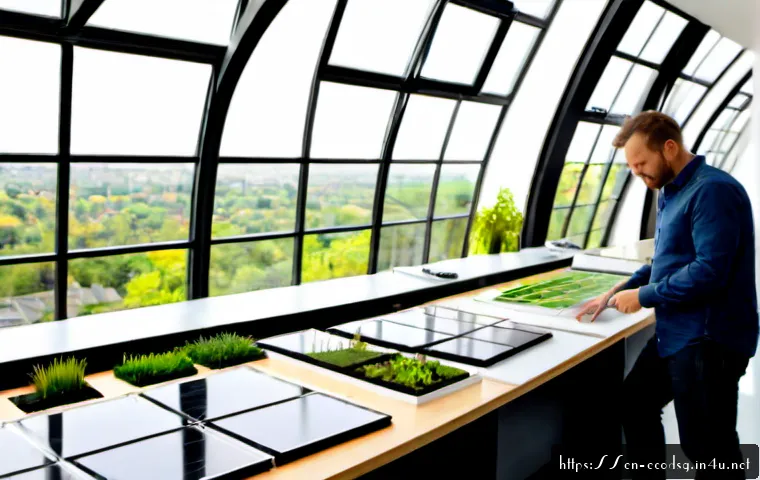
Green design careers can suit creative designers, technical analysts, and project coordinators, but the best route depends on the type of work you want to do.
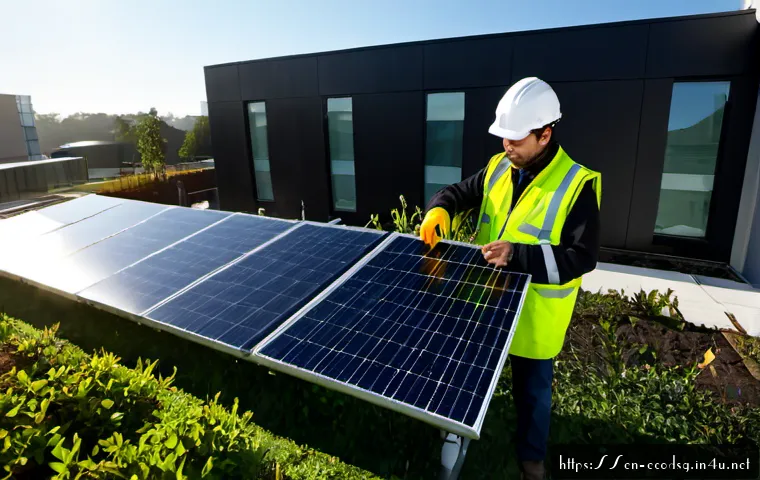
You may work in architecture, interiors, engineering, planning, product design, construction, or environmental consulting with sustainability as either a core role or a shared responsibility.
A certification can strengthen an application, yet a portfolio, practical software skills, project experience, and local licensing rules can matter just as much.
Before paying for sustainability training, compare what the program teaches, whether employers recognize it locally, and whether it helps you produce useful project evidence.
The strongest applications show how you considered energy, water, materials, indoor conditions, site impact, or waste within real design constraints. This guide helps you compare green building jobs, sustainability training, professional credentials, and software pathways without assuming that one route fits everyone.
Quick Overview
- Creative route: Architecture, interiors, product design, and material-focused roles can combine visual design with lower-impact choices.
- Technical route: Building performance analysis, energy modeling, BIM, and life-cycle assessment suit people who enjoy detailed evaluation.
- Coordination route: Consulting and project advisory work can fit people who prefer collaboration, documentation, and guiding project decisions.
| Career Direction | Main Focus | Typical Tools or Skills | Credentials to Investigate | Common Employer Settings | Training Investment to Compare |
|---|---|---|---|---|---|
| Green building and architectural design | Building design, systems coordination, material choices | BIM, material research, design documentation | Green building credentials, local licensure pathways | Architecture and design practices, construction teams | Degree route, software training, project portfolio development |
| Interior, product, and materials design | User experience, finishes, products, material impacts | Material research, life-cycle thinking, visual communication | Relevant design credentials and materials-focused courses | Studios, manufacturers, product teams | Short courses, portfolio work, specialist software access |
| Urban planning and resilient-place design | Sites, communities, landscape, and long-term place outcomes | Site analysis, planning research, stakeholder communication | Planning or landscape-related professional pathways | Planning bodies, landscape practices, public and private projects | Degree requirements, local recognition, field experience |
| Performance, consulting, and project advisory | Energy, water, materials, documentation, and project guidance | Energy modeling, BIM, life-cycle assessment, reporting | Professional certification and technical training options | Environmental consultancies, engineering firms, project teams | Technical course scope, software training, supervised experience |
What Green Design Professionals Actually Do
Designing for Lower Environmental Impact Without Losing Usability or Budget Control
Green design professionals help teams make choices that can reduce environmental impact while still serving the project’s purpose. Depending on the role, they may consider energy use, water efficiency, material selection, indoor environmental quality, site impacts, and waste reduction.
This is not simply a matter of choosing an item described as eco-friendly. A useful sustainability recommendation needs to work with design intent, user needs, technical constraints, project delivery, and budget control. For example, a designer may research materials, while a building-performance specialist may evaluate energy-related decisions and a project coordinator may help document choices across the team.
Important: Sustainability decisions are usually shared. One person may lead the analysis, but architects, engineers, interior designers, contractors, clients, and consultants may all influence the final outcome.
Where Sustainability Work Fits Into a Design and Construction Project
Sustainability work can begin early, when a team is considering a site, building form, layout, materials, or project goals. It can also continue through design development, technical documentation, construction coordination, and post-project review.
At different stages, professionals may research materials, contribute to BIM workflows, review site-related considerations, support energy modeling, organize project evidence, or communicate recommendations to clients and collaborators. The exact duties depend on the employer and the job title.
The Difference Between a Dedicated Sustainability Role and a Conventional Design Role with Green Responsibilities
A dedicated sustainability professional may spend much of the role on building performance, environmental consulting, reporting, material research, life-cycle assessment, or project advisory work. A conventional designer may instead have a broader role, with sustainability included among many design and project-management duties.
Neither route is automatically better. A dedicated role may offer deeper technical exposure, while a broader design role may help you build a portfolio that shows how sustainability decisions affect real layouts, specifications, and client conversations. Read job descriptions closely rather than relying on the title alone.
Compare the Main Career Paths in Sustainable Design
Green Building and Architectural Design Roles
These roles often focus on buildings and may involve architectural design, coordination with engineering disciplines, BIM, documentation, and research into materials or building strategies. Sustainability may be a specialty within the practice or a responsibility expected from the wider design team.
A portfolio is especially important when applying for design-centered roles. Show the design problem, constraints, options considered, and your specific contribution. If a project involved environmental goals, explain the decisions clearly rather than adding a general green label.
Sustainable Interior, Product, and Materials Design Roles
Interior, product, and materials designers can influence finishes, furnishings, product development, durability, material selection, user comfort, and waste-related decisions. These roles often reward strong visual communication alongside careful research.
Useful portfolio evidence may include material comparison methods, supplier research approaches, user needs, or the trade-offs behind a specification. Avoid claiming that a material or product is sustainable without explaining the criteria used to assess it.
Urban Planning, Landscape, and Resilient-Place Design Roles
Planning, landscape, and place-focused work can address how sites, public spaces, development patterns, and environmental conditions interact. Professionals in these fields may work on projects where site impacts, water, land use, resilience, and community needs are relevant.
Requirements can vary substantially by location and professional body. If a role appears regulated, investigate whether it involves a degree pathway, local licensing, professional registration, or supervised experience before choosing a training program.
Building Performance, Environmental Consulting, and Project Advisory Roles
This path may suit people who enjoy structured analysis and cross-functional problem-solving. Work can involve building performance analysis, energy modeling, life-cycle assessment, BIM coordination, environmental documentation, material research, and advice for project teams.
Technical confidence matters here, but communication matters too. Analysis only helps when a team can understand what it means for design choices, project timing, and practical delivery.
Skills, Tools, and Credentials Employers May Look For
Portfolio Evidence: Measurable Decisions, Constraints, and Outcomes
Employers may look for more than an interest in sustainability. A stronger portfolio explains what you did, what constraint you faced, what information you used, and how your decision affected the project direction.
You do not need to invent results. If a project was conceptual, say so. If you supported research rather than leading a decision, identify your role accurately. Clear evidence is more credible than broad claims such as “made the project eco-friendly.”
Technical Tools for BIM, Energy Analysis, Life-Cycle Assessment, and Material Research
Common sustainability-focused skill areas include BIM, energy modeling, building performance analysis, life-cycle assessment, and material research. The most useful software depends on the target role and employer workflow.
Before subscribing to professional design software or enrolling in a software course, compare the tool with actual vacancy requirements. Check whether the training includes guided project work, exportable portfolio material, and practice with the type of analysis or documentation you want to perform.
How to Evaluate Certifications, Short Courses, and Degree Programs Before Paying
Professional certification and sustainability training can support an application, but they do not replace local licensing requirements, practical experience, or a relevant portfolio where those are expected. A short credential may be useful when you already have a design, construction, engineering, or environmental foundation and need focused knowledge.
A degree or formal professional path may matter more where a role is regulated or where employers expect a specific discipline background. Before committing, compare the program’s content, local recognition, access to instructors, portfolio support, software access, and any prerequisites.
Ask directly: Does this course teach a transferable skill, prepare you for a recognized certification, or merely provide a completion certificate? The answer affects the value of the investment.
Practical Entry Routes and Common Career Mistakes
Starting From Design, Engineering, Construction, or Environmental Studies
There is no single entry route. Someone with a design background may build deeper knowledge in material research or building performance. Someone from engineering may move toward energy analysis or environmental consulting. Construction experience can support coordination-focused roles, while environmental studies can provide a useful basis for research and advisory work.
Start by identifying the work you want to do each day. Then compare job descriptions to see which technical skills, credentials, software knowledge, or licensing pathways appear repeatedly in your target location.
Building Experience Through Projects, Internships, and Cross-Functional Collaboration
Project experience can be valuable because green design is collaborative. Look for chances to contribute to real or practice-based work involving design decisions, materials, documentation, site considerations, or performance analysis.
When presenting experience, describe collaboration honestly. State whether you researched alternatives, supported a model, prepared documentation, coordinated feedback, or contributed to a design proposal. This makes your application easier for an employer to assess.
Avoiding Vague Sustainability Claims and Unsupported Project Metrics
One common mistake is using broad language without evidence. Terms such as “green,” “environmentally friendly,” or “sustainable” can sound weak when they are not connected to a method, decision, or project constraint.
Another mistake is presenting unsupported metrics. Only include figures that you can explain and verify. If you do not have validated project data, focus on the process: the criteria considered, the alternatives compared, and the limits of your work.
Which Path Fits Your Goals, Budget, and Working Style?
Best Fit for Visual and Client-Facing Designers
Consider architecture, interiors, product design, or materials-focused work if you enjoy visual concepts, user needs, presentations, and making choices tangible. Build a portfolio that shows both design quality and the reasoning behind material, comfort, or waste-related decisions.
Best Fit for Technical Analysis and Building-Performance Work
Building performance, energy modeling, BIM-related coordination, and life-cycle assessment may be a better fit if you prefer analytical tasks, structured tools, and detailed technical questions. Look for training that allows you to practice the tools rather than only learn terminology.
Best Fit for Coordination, Compliance, and Consulting-Oriented Work
Environmental consulting and project advisory work may fit people who enjoy organizing information, guiding discussions, tracking requirements, and helping multiple disciplines move toward shared goals. In these roles, clear writing and careful documentation can be as useful as technical knowledge.
Choosing Training and Career Options: A Comparison Summary
Questions to Ask About Program Cost, Local Recognition, Software Access, and Portfolio Support
Before choosing a certification provider, accredited course, degree program, or green building software option, check the following:
- Is the qualification recognized or relevant for the roles and location you are targeting?
- Does it teach a specific skill such as BIM, energy analysis, life-cycle assessment, or material research?
- Will you complete work that can be presented in a portfolio?
- Does the cost include the software, learning resources, assessment, or any additional requirements?
- Does the pathway align with local licensure, registration, or supervised-experience expectations where applicable?
Compare official course details, certification requirements, and professional software features on the relevant provider pages before enrolling or purchasing access.
A Simple Checklist for Comparing Employers, Job Descriptions, and Development Opportunities
Use this short decision check before applying or investing in training:
- Role clarity: Is sustainability the main responsibility or part of a broader design role?
- Skill match: Which tools and technical methods are named in the job description?
- Portfolio match: Can you show relevant design decisions, research, or collaboration?
- Credential fit: Is a certification required, preferred, or not mentioned?
- Local requirements: Could licensure, registration, or supervised experience apply?
- Development value: Will the employer expose you to projects, mentors, and cross-functional work?
Closing Thoughts
A green design career is less about finding one perfect job title and more about choosing the combination of design focus, technical depth, and collaboration style that fits you. Certifications and courses can be helpful when they add a usable skill or support a clear career direction. They are less useful when they are disconnected from local employer expectations and portfolio needs. Build evidence of how you think, research, and contribute to decisions, then refine your training choices around the roles you genuinely want.
Useful Things to Know
Job titles vary: Similar work may appear under architecture, design, engineering, consulting, planning, or project-management titles.
A credential is not a universal requirement: Review each vacancy to see whether it is required, preferred, or not mentioned.
Software should follow the target role: Learn tools that align with the workflows used in the jobs you plan to pursue.
Local rules matter: Regulated professions can have different requirements by country, state, province, or professional body.
Important Considerations
Salary levels, hiring demand, course value, entry requirements, and credential relevance can differ by employer and location. This guide cannot determine whether a specific qualification, software subscription, degree, or professional certification will lead to a particular job. Confirm current requirements with employers, course providers, certification bodies, and the relevant local professional authority before making a financial or career decision.
Frequently Asked Questions
Q1. Do I need a certification to get a job in sustainable design?
A1. Not always. Certifications can support job applications, but employers may also prioritize portfolios, technical skills, project experience, and local licensing requirements. Check individual job descriptions to see whether a credential is required, preferred, or not mentioned.
Q2. Which green design role is best for someone who enjoys both creativity and environmental problem-solving?
A2. Architecture, interior design, product design, and materials-focused roles can combine creative work with environmental problem-solving. Building performance and consulting roles can also involve design input, but they may place more emphasis on analysis, documentation, and technical coordination.
Q3. Is a sustainability course worth the cost compared with gaining project experience?
A3. It depends on what the course adds. A short course may be useful if it develops a specific skill, supports a recognized credential, provides software practice, or helps you create portfolio work. Project experience may be more valuable when it gives you direct evidence of collaboration and practical decision-making. Compare the course content, total cost, time commitment, local recognition, and portfolio support before deciding.