Hey there, amazing eco-warriors and design enthusiasts! Are you constantly thinking about how to make your home, your purchases, and even your lifestyle a little greener, but sometimes feel totally overwhelmed by where to start?
I totally get it! For years, I’ve been on this journey myself, trying to navigate the ever-evolving world of sustainability, and let me tell you, it’s been quite an adventure.
What I’ve personally discovered is that finding genuinely insightful and inspiring content is key to staying motivated and making real changes. Lately, I’ve been blown away by how much the eco-design space is exploding, with incredible innovations like biodegradable materials and the whole circular economy concept really taking hold.
It’s not just about recycling anymore; we’re seeing brilliant minds integrating smart home tech for ultimate efficiency and even bringing the outdoors in with stunning biophilic design.
It’s truly the future, and frankly, it’s exciting! To help cut through the noise and give you that real-world knowledge, I’ve spent countless hours diving deep into YouTube, unearthing channels that don’t just talk the talk but walk the walk when it comes to sustainable living and design.
These creators offer practical tips, expert insights, and even show you exactly how they implement these principles in their own lives. They’re a treasure trove of ideas for anyone looking to make a positive impact, whether you’re revamping your living space or simply seeking inspiration for more conscious consumer choices.
Ready to transform your approach to sustainable living and discover some truly game-changing channels? Let’s dive deeper below and find out exactly what you need to know to get started!
Diving Deep into the Zero-Waste Movement: Real Talk from Visionary Creators

Shelbizleee: Practicality Meets Passion
When I first started my deep dive into truly reducing my waste, I stumbled upon Shelbizleee, and honestly, it was a game-changer. Shelbi isn’t just talking about sustainability; she’s living it and sharing every single step with such an authentic, no-nonsense approach.
What truly resonates with me is her educational background in environmental science, which means her advice isn’t just based on personal preference, but solid knowledge.
I’ve seen so many channels out there that gloss over the ‘how-to’ or make zero-waste living seem like an impossible feat for anyone without endless time or money.
But Shelbi breaks it down, making it feel genuinely achievable for us “average people,” as she calls it. She tackles popular sustainability topics like minimalism and dumpster diving (yes, really!), and even busts common myths, which is something I deeply appreciate.
Her journey into eco-minimalism is so inspiring, showing us how reducing consumption isn’t about deprivation, but about a more intentional, impactful way of living.
I often find myself nodding along, thinking, “Yes, that’s exactly what I needed to hear!” It’s this blend of passion and practicality that makes her content so incredibly valuable for anyone, from beginners just curious about swapping out plastic bags to seasoned eco-enthusiasts looking for new insights.
Going Zero Waste: From Mindset to Action
Another incredible resource that completely captivated me is the Going Zero Waste channel, fronted by Kathryn Kellogg. Her approach to living mindfully and with intention really shines through, encouraging viewers to reduce their waste and embrace natural living.
I personally adore how she focuses on shifting your mindset first, rather than just throwing a bunch of product swaps at you. It’s about being thoughtful with your choices, whether it’s ditching plastic, removing harmful chemicals from your home, or simply cooking up healthy, seasonal recipes.
I’ve found her tips on eco-minimalism and thrifting particularly helpful, showing that sustainability extends far beyond just what goes into the recycling bin.
She really emphasizes that it’s important to understand that what works for one person might not work for another, which takes a lot of the pressure off.
She covers everything from zero-waste swaps for your kitchen and bathroom to addressing the larger issue of overconsumption. What I’ve personally experienced from watching her is a renewed sense of possibility; it’s not about being perfect, but about continuously learning and improving.
Her channel makes the daunting task of transforming your lifestyle into an exciting, step-by-step adventure.
Crafting a Greener Home: Upcycling, DIY, and Thoughtful Design
Transforming Trash into Treasure: DIY Eco-Projects
One of my absolute favorite ways to inject personality and sustainability into my home is through DIY eco-projects and upcycling. There’s something so deeply satisfying about taking an item destined for the landfill and giving it a new, beautiful life.
I’ve spent countless weekends scouring thrift stores and my own garage for materials, and honestly, the creative possibilities are endless! From turning old wine bottles into chic vases to transforming tin cans into stylish desk organizers, these projects aren’t just about saving money (though that’s a huge bonus, especially with rising costs!), but about fostering a deeper connection to the items you own.
I’ve seen channels that demonstrate how to make paper from grass or create stunning home decor from recycled materials, which just blows my mind. What I’ve learned from my own attempts is that it doesn’t have to be perfect; the charm often lies in the handmade imperfections.
It’s a wonderful way to express your creativity, reduce your environmental footprint, and end up with genuinely unique pieces that tell a story. Plus, it’s such a fun activity for a rainy afternoon, or even a great way to bond with friends and family.
It truly makes you rethink what “waste” even means.
Rethinking Your Space with Sustainable Style
Beyond just DIY, truly sustainable home design involves a thoughtful approach to every element, from the materials you choose to the overall functionality of your space.
I’ve been so inspired by channels that explore eco-conscious architecture and interior design, showing how style and sustainability can go hand-in-hand.
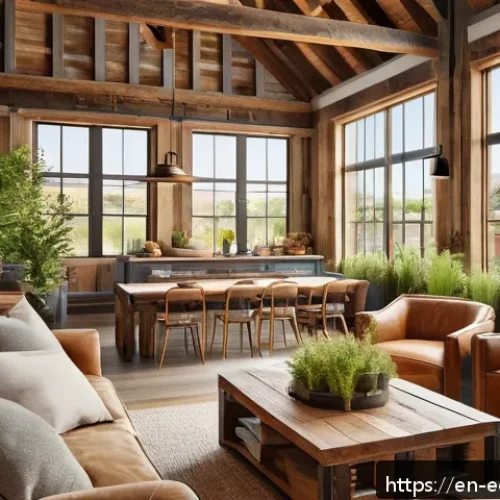
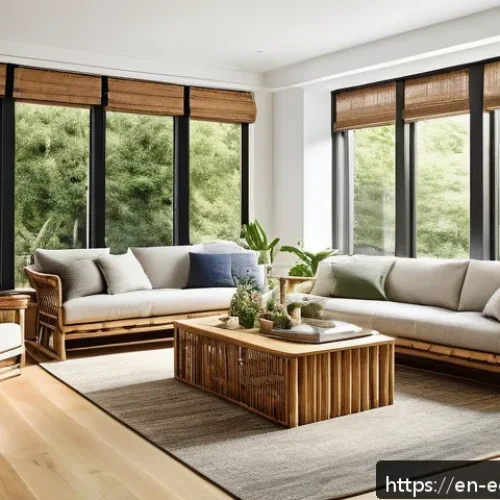
We’re talking about everything from using reclaimed timber and locally quarried stone to embracing rapidly renewable bamboo. It’s not just about aesthetics; these materials also contribute to healthier indoor environments, free from those nasty volatile organic compounds.
I’ve personally seen how smart layouts can maximize natural light and passive cooling, significantly cutting down on energy bills while making a home feel airy and vibrant.
Even small spaces can benefit immensely from clever design tricks that prioritize both planetary health and human well-being. It’s about creating tranquil, energy-efficient sanctuaries that breathe, integrating green courtyards, and even vertical gardens to improve air quality and promote mental well-being.
It really goes to show that you don’t need a huge budget or a brand-new build to make impactful changes; sometimes, it’s just about looking at your current space with fresh, eco-conscious eyes.
| Project Idea | Materials Often Used | Eco-Benefit | Personal Takeaway |
|---|---|---|---|
| Upcycled Wine Bottle Vases | Glass bottles, paint, natural twine | Reduces landfill waste, saves resources | So simple, yet adds such an elegant touch to any room. You can match them to your decor! |
| Pallet Coffee Table | Wooden pallets, wheels, paint/stain | Repurposes wood, avoids new furniture purchase | A surprisingly sturdy and stylish piece, perfect for rustic or industrial looks. Definitely a conversation starter! |
| Tin Can Organizers | Metal cans, fabric/paper scraps, glue | Gives new life to containers, declutters | Great for office supplies, kitchen utensils, or even craft storage. So versatile and fun to personalize. |
| Plastic Bottle Planters | Plastic bottles, string, soil, seeds | Reduces plastic waste, promotes indoor greenery | Adds a touch of green to your space, and you get to watch something grow! Perfect for herbs or small flowers. |
The Power of Connection: Embracing Biophilic Design
Bringing Nature Indoors, Literally!
Okay, so if you’ve been following me for a while, you know my obsession with biophilic design runs deep! It’s this incredible concept that essentially translates to “love of life,” and it’s all about integrating nature into our built environment.
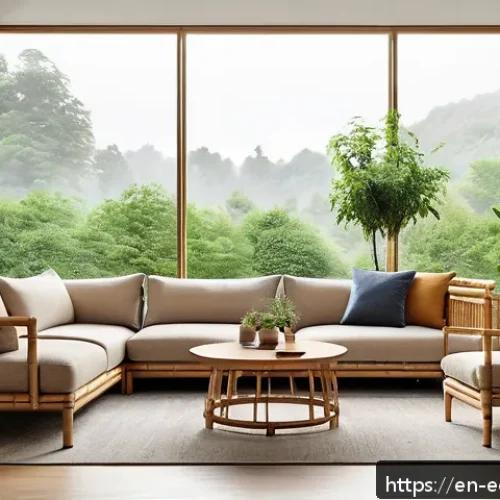
I mean, think about it: we spend so much of our lives indoors, often disconnected from the natural world. Biophilic design aims to bridge that gap, making our homes and workspaces feel like extensions of a lush forest or a serene garden.
I’ve seen channels that showcase how architects are incorporating living walls, indoor water features, and expansive views of greenery, and it’s truly breathtaking.
It’s not just about adding a few potted plants; it’s about a holistic approach that considers natural light, air flow, natural materials, and even patterns found in nature.
I’ve personally experimented with maximizing natural light in my own apartment and choosing furniture made from organic, untreated wood, and I can tell you, the difference in atmosphere is palpable.
It instantly makes a space feel calmer, more vibrant, and undeniably healthier. This approach helps us tap into our innate human attraction to nature, creating spaces that genuinely nourish our body, mind, and soul.
Beyond Aesthetics: The Wellness Benefits
What truly fascinates me about biophilic design isn’t just how beautiful it makes a space, but the profound impact it has on our well-being. It’s more than just pretty plants; it’s backed by research showing how a deeper connection to nature can reduce stress, aid mental and physical recuperation, and even improve cognitive performance.
I’ve learned from experts that when we’re surrounded by elements of nature, our blood pressure can lower, our focus improves, and we generally feel more at ease.
Imagine a home where the very air you breathe feels fresher, where the sounds of water are gently bubbling, and where every corner offers a glimpse of thriving life.
That’s the promise of biophilic design. I’ve personally felt the shift in my own mood and energy levels just by being more intentional about integrating natural elements into my living space.
It’s about creating environments that celebrate the environment around them, rather than shutting it out. From hospitals in Singapore designed with tropical forests to offices that feel like indoor rainforests, the benefits are clear.
It’s truly a design philosophy that connects us back to our primal selves, making us happier, healthier, and more productive humans.
Smart Homes, Smarter Choices: Tech for Eco-Efficiency

Optimizing Energy: Gadgets That Give Back
Let’s talk smart homes, because, honestly, this is where technology truly flexes its muscles for sustainability! For a long time, I thought “smart home” just meant fancy voice assistants, but oh, how wrong I was.
What I’ve discovered is that smart home tech can be your best friend when it comes to energy efficiency and saving money – seriously, who doesn’t love that combo?
I’ve been watching channels that go deep into integrating devices like smart thermostats, smart lighting, and energy monitoring systems, and the insights are gold.
These aren’t just about convenience; they’re about making your home incredibly efficient. Imagine your thermostat automatically adjusting when no one’s home, or lights dimming when there’s enough natural sunlight.
I’ve personally seen a noticeable dip in my utility bills by implementing a few simple smart automations, like having my HVAC pause if a window or door is left open for too long.
It’s about being proactive rather than reactive with your energy consumption. It’s not just about adding gadgets; it’s about creating an interconnected system that learns your routines and adapts to external factors like weather, making sure not a single watt is wasted.
Real-World Energy Savings with Smart Tech
The beauty of smart home technology, as I’ve experienced it, lies in its ability to translate complex energy data into actionable insights that genuinely reduce your footprint and your expenses.
Channels dedicated to smart home optimization break down exactly which devices to use to monitor usage and lower consumption, even showing you how to take advantage of renewable energy sources like solar panels if you have them.
I’ve been blown away by the level of detail some creators go into, sharing their personal energy dashboards and automation setups that make their homes consume less than 500W of power on idle, even with a house full of tech.
It’s not about grand, expensive overhauls; often, it’s the smaller, consistent adjustments that make the biggest difference. Think about smart power strips that cut off “phantom load” from devices even when they’re turned off, or LED lighting that uses 75% less energy than incandescent bulbs.
I’ve personally seen these changes add up to significant savings. It’s truly empowering to know that your home is actively working to be more sustainable, and it removes a lot of the mental load of constantly checking if you’ve turned everything off.
This kind of integration means you can enjoy a comfortable living space while also being incredibly kind to the environment.
Understanding the Circular Economy: A Paradigm Shift
Beyond Reduce, Reuse, Recycle: True Circularity
If you’re anything like me, you grew up with the mantra of “reduce, reuse, recycle,” and thought that was the pinnacle of eco-conscious living. But my friends, after delving into the world of the circular economy, I’ve realized it’s so much more profound!
It’s not just about managing waste at the end of a product’s life; it’s about fundamentally rethinking how we design, produce, and consume *everything*.
I’ve learned from incredible educators and innovators on YouTube that a true circular economy means products are designed from the start to be repaired, reused, remanufactured, and ultimately, returned to the Earth or back into the system without becoming waste.
This means keeping materials at their highest value for as long as possible, rather than constantly extracting new resources. I’ve found channels that break down complex concepts from organizations like the Ellen MacArthur Foundation, making them digestible and incredibly inspiring.
It’s about moving away from our current linear “take-make-dispose” model and embracing a regenerative system. It truly makes you look at every item you own, from your clothes to your electronics, and wonder: “How could this have been designed to last forever, or to be easily repurposed?”
Brands and Innovators Leading the Charge
What really gets me excited about the circular economy are the visionary brands and individuals who are already making it a reality. I’ve been watching channels that highlight incredible innovations, from fashion companies designing garments that can be fully recycled or composted, to businesses that collect and regenerate plastic waste into new, high-quality polymers.
It’s not just a theoretical concept; it’s happening right now, and it’s creating new economic opportunities. I’ve personally been trying to support brands that clearly articulate their circular practices, looking for products that offer repair services, take-back programs, or are made from truly sustainable, regenerable materials.
It’s a powerful shift where businesses are incentivized to keep materials in circulation, reducing their environmental impact and often leading to financial savings in the long run.
These creators don’t just explain the ‘what’ and ‘why’ of the circular economy; they showcase the ‘how,’ giving us a peek into the future of responsible production and consumption.
It inspires me to be a more discerning consumer and to champion companies that are genuinely committed to closing the loop and building a truly sustainable future for all of us.
글을 마치며
Whew! What an incredible journey we’ve just taken together through the vibrant world of sustainable living and eco-conscious design! I genuinely hope you’ve found these insights as inspiring and practical as I have in my own life. It’s truly amazing to see how many passionate creators and innovators are out there, paving the way for a greener, more mindful future. Remember, it’s not about being perfectly zero-waste overnight or transforming your entire home in one go. It’s about those small, consistent choices and the joy of continually learning and growing on this path. Every little swap, every thoughtful purchase, and every bit of knowledge you gain makes a real difference. Keep that curiosity alive, keep exploring, and let’s continue building a more beautiful and sustainable world, one conscious decision at a time!
알아두면 쓸모 있는 정보
1. Start your sustainable journey with one simple swap: Pick one item you use frequently, like plastic wrap or disposable coffee cups, and find a reusable alternative. It builds momentum and shows you how easy it can be!
2. Embrace the power of secondhand: Before buying new, check out thrift stores, online marketplaces, or even local “Buy Nothing” groups. You’d be amazed at the treasures you can find and the resources you save.
3. Bring nature indoors with biophilic elements: Add a few houseplants, open your blinds to maximize natural light, or even choose decor with natural textures. It genuinely boosts your mood and air quality.
4. Leverage smart home tech for energy savings: Consider a smart thermostat or smart plugs. They can automatically optimize your energy use, cutting down on utility bills and your carbon footprint without much effort.
5. Support brands committed to the circular economy: Look for companies that offer repair services, take-back programs, or design products for durability and recyclability. Your purchasing power truly influences change.
중요 사항 정리
At the heart of it all, our deep dive today truly highlighted that sustainable living isn’t a restrictive chore, but rather an empowering lifestyle focused on intention, innovation, and connection. We saw how visionary creators are making zero-waste living accessible, and how thoughtful eco-design can transform our homes into healthier sanctuaries. The integration of smart home technology isn’t just about convenience; it’s a powerful tool for optimizing energy and reducing our environmental impact, proving that tech can absolutely be our ally in this journey. Most importantly, understanding the circular economy shifts our perspective from simply managing waste to fundamentally rethinking consumption and production for a regenerative future. This isn’t just a trend; it’s a vital, exciting evolution in how we live, reminding us that every choice we make has the power to contribute to a thriving planet and a more fulfilling life.
Frequently Asked Questions (FAQ) 📖
Q: I want to start making my home more sustainable, but I feel completely overwhelmed. Where should a total beginner even begin without breaking the bank or feeling like I have to overhaul everything at once?
A: Oh, I completely hear you on this one! When I first started, the sheer volume of information made my head spin. But what I quickly learned is that sustainable living isn’t about perfection; it’s about progress, one thoughtful step at a time.
The best place to start, in my opinion, is right in your daily habits and around your kitchen. Think of it like this: every small choice is a mini-rebellion against wasteful consumer culture, and it’s incredibly empowering!
First, let’s tackle mindful consumption. Before you buy anything new, ask yourself: do I really need this? Can I borrow it, mend what I have, or buy it second-hand?
I’ve found some of my absolute favorite pieces of decor and even clothing from thrift stores, and it saves a ton of resources and cash! It’s amazing how much joy you can get from appreciating what you already own.
Next up, target those single-use plastics that sneak into our lives. Swapping out plastic grocery bags for reusable totes, ditching bottled water for a stylish refillable bottle, and saying goodbye to disposable coffee cups are super easy wins.
I keep a tote and my water bottle in my car so I’m never caught without them. It’s such a small change, but it makes a huge difference over time. Don’t forget about energy and water conservation at home.
This is where sustainable living can actually save you money! I personally love seeing my utility bills drop. Simple things like turning off lights when you leave a room, unplugging electronics to avoid “vampire power,” and taking shorter showers add up faster than you’d think.
Even collecting that initial cold shower water for your plants feels like a win! Remember, you don’t need to do everything at once. Pick one or two things that resonate with you, make them a habit, and then gradually add more.
That’s how I built my sustainable lifestyle, and it felt so much more achievable and rewarding. You’ve got this!
Q: Biophilic design sounds fascinating! Can you explain what it is and how I can realistically incorporate it into my home, especially if I don’t have a huge budget or live in a small apartment?
A: Isn’t biophilic design just the most enchanting concept? It literally means “love of life,” and it’s all about bringing the magic of the natural world into our indoor spaces to boost our well-being.
And let me tell you, having experienced it myself, it truly transforms a room into a serene sanctuary! It’s not just a trend; it’s a way to connect with nature on a deeper level right where you live.
The core idea is to create a seamless flow between the indoors and outdoors, using natural materials, light, and elements to enhance your mental and physical health.
You don’t need a sprawling garden or a huge budget to make it happen; even in my coziest apartment spaces, I’ve found ways to infuse this vibe. Here’s how I’ve personally brought biophilic design to life:First, embrace plants, plants, and more plants!
Seriously, they are your best friends here. Even a few potted plants can work wonders for air quality and create a calming atmosphere. I love experimenting with different sizes and textures—a big leafy plant in a corner, a few smaller ones on a shelf, maybe even a hanging planter.
If you’re worried about keeping them alive, start with low-maintenance varieties like snake plants or ZZ plants. You’ll be amazed at how much life and color they bring in!
Next, focus on maximizing natural light. This is probably one of the most impactful, and often free, changes you can make. Throw open those curtains, clean your windows, and strategically place mirrors opposite windows to bounce light deeper into your rooms.
It instantly makes a space feel brighter, more open, and truly helps regulate your mood and sleep cycle. I’ve noticed a huge difference in my own energy levels when my home is bathed in natural light.
Consider natural materials and textures. Think wood, stone, cotton, linen, and even cork. You don’t need to renovate your entire home.
Even adding a wooden cutting board to your kitchen, a woven basket for storage, a stone coaster, or a cozy linen throw can make a big impact. These materials inherently bring a sense of warmth and groundedness that synthetic materials just can’t replicate.
I love how they feel underfoot or in my hands—it’s a sensory experience that connects me to the earth. Finally, don’t underestimate the power of natural colors and organic shapes.
Earthy tones like greens, blues, browns, and soft neutrals can create a very soothing backdrop. And try incorporating furniture or decor with curved lines or irregular shapes rather than harsh angles; it mimics nature’s fluidity and creates a more harmonious feel.
I find this makes my space feel so much more inviting and relaxing! Biophilic design isn’t about perfection; it’s about intentionally bringing elements of nature that make you feel good into your home.
Start small, be creative, and watch your space transform into a more peaceful, inspiring oasis!
Q: I’m constantly looking for fresh, inspiring content on sustainable living and eco-design, especially on platforms like YouTube. How do I find channels that are truly authentic, knowledgeable, and offer practical advice that I can trust?
A: This is such a brilliant question, and one I get asked all the time! With so much content out there, it can feel like a wild goose chase to find those real gems that truly walk the walk.
My personal mission has always been to uncover creators who aren’t just jumping on a trend but are genuinely passionate and knowledgeable, bringing real-world experience and expertise to the table.
And let me tell you, I’ve spent countless hours sifting through channels to find the ones that truly deliver! Here’s my personal roadmap for finding those authentic, trustworthy sustainable living and eco-design YouTube channels:First, look for channels that offer practical, actionable advice, not just theoretical concepts.
The best creators will show you how they implement sustainable practices in their own lives—whether it’s a DIY project, a tour of their eco-friendly home, or a step-by-step guide to reducing waste.
I always find that seeing someone do it makes it so much easier for me to try it myself. Next, pay attention to their expertise and experience. Do they seem genuinely knowledgeable about the topics they’re discussing?
Do they back up their claims with research or personal anecdotes? Channels that share their own journey, including failures and lessons learned, often build a much stronger sense of trust.
For example, some amazing channels focus on specific areas like zero-waste living, sustainable fashion, or even building tiny homes, giving you deep dives into niche areas from seasoned practitioners.
I also look for creators who are transparent and open about challenges. Sustainable living isn’t always easy, and it’s refreshing when influencers acknowledge that.
They might discuss the difficulties of certain swaps, the cost implications, or the learning curve involved. This authenticity makes them incredibly relatable and builds a sense of community, which I absolutely adore.
It tells me they’re real people, just like us, navigating this journey! Lastly, seek out channels that inspire you to make changes, not just consume more.
The goal of sustainable living is to reduce our footprint, so be wary of channels that primarily push endless “eco-friendly” product hauls without a deeper message about conscious living or reducing consumption overall.
Look for those that encourage you to reuse, repair, upcycle, and truly rethink your relationship with “stuff”. Some of my favorite channels, like “Shelbizleee” or “Going Zero Waste,” are fantastic examples of creators who focus on practical solutions and genuine eco-realism.
By following these tips, you’ll uncover a treasure trove of inspiring and truly useful content that will keep you motivated and informed on your sustainable living adventure!
Happy watching, and let’s keep making those positive changes together!