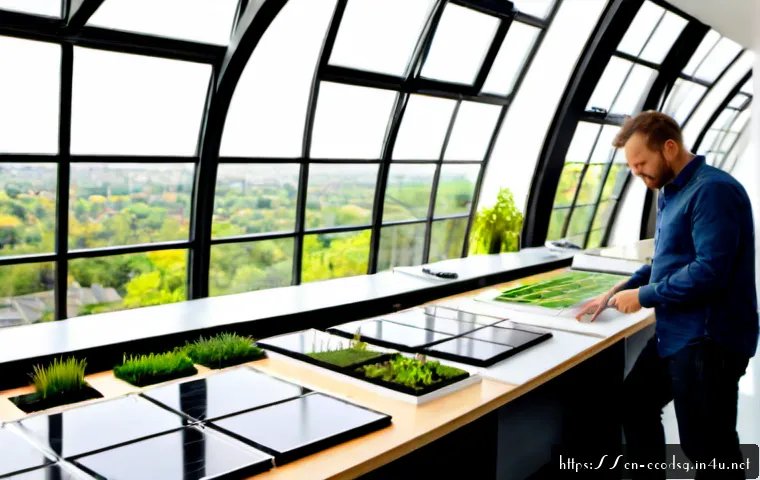
Eco-design careers are not one job category: the most accessible route often builds on an existing design skill, the most technical route centers on materials and lifecycle decisions, and the most business-focused route connects design with operations and procurement.

Choose a path by comparing daily work, portfolio expectations, training depth, and the tools you may need—not by assuming that any “green” credential leads to a role.
Eco-design considers environmental choices across the lifecycle of a product, service, building, or package. That makes it relevant to designers, engineers, makers, operations professionals, and career changers.
Courses, software, and portfolio services can be useful investments when they directly support the role you want to pursue. Requirements, course fees, and hiring preferences vary by employer, industry, location, and economic conditions.
At a Glance
- Accessible route: Add lifecycle thinking and material research to an existing graphic, product, interior, or digital design practice.
- Technical route: Focus on product development, materials, prototyping, repairability, and lifecycle assessment.
- Business-focused route: Work across procurement, supply chains, operations, consulting, and circular design strategy.
| Career path | Main focus | Typical tools | Training depth | Portfolio evidence | Budget consideration |
|---|---|---|---|---|---|
| Sustainable product designer | Products, materials, durability, repair | Design software, prototypes, material research | Moderate to deep | Concept development, trade-offs, prototypes | Software, workshop access, materials |
| Circular design specialist | Reuse, service systems, recovery, product life extension | Research frameworks, mapping tools, lifecycle tools | Moderate to deep | System maps, user journeys, implementation logic | Courses, research tools, portfolio support |
| Sustainable packaging designer | Material use, packaging formats, recovery conditions | Graphic and structural design tools, material databases | Moderate | Material choices, prototyping, disposal assumptions | Samples, software, packaging prototypes |
| Building, interior, or materials-focused designer | Buildings, interiors, specifications, materials | Architecture or interior design software, specifications | Often deep | Project rationale, material comparisons, coordination | Program scope, software access, studio resources |
| Consultant or in-house coordinator | Strategy, cross-team decisions, supplier and operational input | Research, reporting, collaboration, lifecycle tools | Varies by prior experience | Decision frameworks, measurable design choices | Specialist training or external expert support |
Where Eco-Design Careers Are Growing—and What the Work Actually Involves
A Quick Answer for Students, Career Changers, and Working Designers
Eco-design is best understood as a way of making design decisions, not as a separate visual style. It applies environmental considerations across the lifecycle of a product, service, building, or package. A student may enter through a design, engineering, architecture, or sustainability program. A career changer may start with targeted software, materials, or circular economy training and then build a focused portfolio. A working designer may add lifecycle research to their current practice instead of starting from zero.
From Lower-Impact Products to Circular Systems and Sustainable Buildings
Many roles begin with a familiar design output: a consumer product, a package, an interior, or a customer service. The difference is the questions behind the output. Can material use be reduced? Can a product last longer? Can it be repaired, reused, or recovered? Are transport, use, and disposal conditions understood? Circular design commonly prioritizes reducing material use, extending product life, repairability, reuse, and material recovery.
A design should not be called environmentally better simply because it uses a trend-led material or includes a recycling symbol. Its impact depends on materials, production, transport, use, repair, and disposal conditions. That uncertainty is not a weakness in a portfolio when it is documented clearly; it is evidence that you understand lifecycle trade-offs.
Why Employers Need Both Creative and Operational Sustainability Skills
Eco-design work rarely sits with one person alone. Designers may need input from engineers, suppliers, marketers, operations teams, procurement teams, and compliance specialists. Strong candidates can develop an idea while also explaining constraints, assumptions, user needs, material choices, and next steps. This is why communication and collaboration matter alongside visual or technical ability.
Compare the Main Career Paths Before Investing in Training
Sustainable Product and Industrial Designer
This path focuses on physical products and their lifecycle. Day-to-day work may include concept development, material research, prototyping, manufacturing discussions, and decisions about durability or repair. A convincing portfolio should show why a material or form was selected, not only a polished final render. Training can range from a short materials course for an experienced designer to a deeper product design or engineering program for someone new to physical development.
Circular Economy and Service Design Specialist
This role looks beyond the object itself. The work may involve systems for maintenance, reuse, return, refurbishment, or material recovery. A circular design portfolio can include service blueprints, stakeholder maps, user journeys, and a realistic account of operational limitations. This is a useful route for UX designers, researchers, strategists, and people who enjoy connecting customer experience with business operations.
Sustainable Packaging Designer
Packaging design can combine visual communication, structural design, material choices, and recovery conditions. Good work considers the package’s purpose, material use, transport needs, and what may happen after use. Portfolio projects should avoid vague claims such as “eco-friendly packaging.” Instead, show the design brief, the packaging function, the options considered, and the conditions required for reuse, recovery, or disposal.
Green Building, Interior, and Materials-Focused Design Roles
Architecture, interior, and materials-focused roles bring sustainability questions into building and specification decisions. These positions often require close coordination with other professionals and may call for deeper technical knowledge. If this route interests you, compare programs by their coverage of materials, building systems, project feedback, and access to relevant design software. A course title alone does not show how much practical project work it includes.
Sustainability Consultant, Design Strategist, and In-House Coordinator
Consultants, strategists, and in-house coordinators help organizations make and communicate design decisions across teams. They may work with product development, procurement, supply-chain planning, operations, and marketing. This route can suit people with experience in business, engineering, operations, or design. The key evidence is often a structured approach to research, trade-offs, stakeholder coordination, and measurable decisions rather than a collection of visual concepts alone.
Skills, Tools, and Training: What Is Worth Paying For?
Core Skills: Lifecycle Thinking, Material Research, Prototyping, and Communication
The foundation is lifecycle thinking: looking past the point of sale and considering production, transport, use, repair, and end-of-use conditions. Material research helps you ask better questions rather than make automatic claims. Prototyping tests whether an idea can work in real use. Communication helps colleagues and clients understand the limits, trade-offs, and decisions behind the work.
When Design Software, Lifecycle Assessment Tools, and Material Databases Add Value
Paid design software is useful when it matches the work you want to show. Product, packaging, architecture, and interior roles may require different software workflows. Lifecycle assessment tools and material databases can add value when you have a defined project, relevant inputs, and the ability to explain assumptions. They are less useful when treated as a shortcut to a sustainability claim.
External sustainability consultants may be worth considering when a project has complex supply-chain questions, limited internal expertise, or decisions that affect several departments. For an individual portfolio project, a smaller research scope may be more practical. State what you could verify, what you could not verify, and what information would be needed next.
Degree Programs Versus Certificates Versus Self-Directed Learning
A degree program can offer structured studio work, feedback, peer learning, and a broader foundation in design, engineering, architecture, or sustainability. A specialist certificate can be useful when you already have relevant experience and need focused knowledge in materials, circular systems, software, or lifecycle assessment. Self-directed learning can work well when you can define a clear brief, document your process, and seek useful feedback.
No single degree or credential guarantees an eco-design role. Before paying tuition or course fees, identify the role you are targeting and the portfolio evidence employers are likely to review.
Questions to Ask Before Comparing Tuition, Course Fees, and Portfolio Services
- Does the curriculum cover lifecycle trade-offs, not only sustainability messaging?
- Will you complete projects that can become portfolio case studies?
- Is software access included, and does it suit your intended role?
- What feedback is available on research, prototypes, and portfolio presentation?
- What is the total cost after materials, software, studio access, and portfolio services?
Build Credible Experience Without Overclaiming Environmental Benefits
What a Strong Eco-Design Portfolio Project Should Show

A strong project makes the reasoning visible. Include the original problem, user needs, research sources, material choices, lifecycle questions, alternatives considered, prototype evidence, and the decisions that changed during development. Show the connection between the design output and the environmental considerations. A concise case study with clear evidence is more useful than a long presentation filled with unsupported labels.
How to Document Assumptions, Trade-Offs, and Supplier Limitations
Use direct language: “This concept assumes access to repair services,” or “Material recovery depends on local collection conditions.” If supplier information is unavailable, say so. If a design reduces material use but may create a repair challenge, explain that trade-off. Employers can assess thoughtful decision-making when the limitations are visible.
Common Mistakes: Vague Sustainability Claims, Trend-Led Materials, and Missing User Needs
Common mistakes include treating eco-design as green branding, selecting a material because it is fashionable, and ignoring whether people can use, maintain, repair, or return the product. Another mistake is presenting a lifecycle conclusion without examining enough of the lifecycle. Keep the project grounded: define the scope, make claims carefully, and avoid implying certainty where conditions are unknown.
Choose a Route Based on Your Starting Point
For Students Choosing a First Specialization
Choose a foundation that develops your strongest mode of work: product development, packaging, architecture, interiors, engineering, research, or service design. Then add sustainability through projects that examine materials and lifecycle trade-offs. A broad foundation can be valuable because eco-design often requires collaboration across disciplines.
For Graphic, Product, or UX Designers Adding Sustainability Expertise
Build on what you already do well. Graphic designers can explore packaging systems and clearer sustainability communication without making unsupported claims. Product designers can deepen material research, prototyping, repairability, and manufacturing awareness. UX designers can explore circular services, maintenance journeys, reuse systems, and return experiences. A focused certificate or self-directed portfolio project may be more relevant than a full restart, depending on the role.
For Engineers, Makers, and Operations Professionals Moving Toward Design Roles
Your operational knowledge can be a strength. Engineers and makers may contribute technical thinking about materials, production, and prototypes. Operations and procurement professionals may understand supplier limitations and implementation barriers. To move toward a design role, develop a portfolio that translates this knowledge into user-centered decisions, visual communication, and structured project narratives.
For Businesses Deciding Whether to Hire, Train Internally, or Use External Support
Start with the decision your organization needs to make. A recurring product-development need may justify internal training or a dedicated hire. A complex one-time question involving suppliers, lifecycle analysis, or cross-functional change may call for external sustainability consulting. Evaluate support based on the scope of work, evidence needed, internal capacity, and how decisions will be implemented afterward.
Selection Criteria and Career Path Comparison
Match Role Type to Your Strengths, Budget, Timeline, and Local Job Market
Start by reviewing job descriptions in your local market, but do not assume every employer uses the same title. Look for repeated tasks: material selection, prototyping, lifecycle assessment, supplier coordination, packaging development, building specifications, or circular service design. Then compare those tasks with your current skills, available time, and training budget. Hiring requirements and salary expectations vary, so they should be checked directly for your region and target industry.
Compare Training Providers by Curriculum, Project Feedback, Industry Access, and Total Cost
Compare the actual curriculum rather than the marketing language. Look for lifecycle thinking, practical research methods, project critique, access to relevant software, and portfolio development. Also ask whether the program supports the kind of work you want to show. Course fees and the return on a training investment depend on the provider, location, financial aid, and your previous experience.
A Practical Next-Step Checklist Before Applying, Enrolling, or Buying Software
- Choose one target role and review the work it involves.
- List the skills you already have and the evidence missing from your portfolio.
- Define one project with a clear user need and lifecycle scope.
- Compare training options by project feedback, software access, and total costs.
- Check whether a paid lifecycle tool, material database, or portfolio service solves a specific gap.
Selection Criteria and Comparison Summary
Before making a commitment, check role fit, portfolio requirements, training scope, tool access, and total cost. A short course may fit an experienced designer who needs a focused skill, while a degree pathway may suit someone who needs a wider design or technical foundation. If you are considering software, a materials database, or portfolio support, connect the purchase to a real project and a clear hiring goal. Compare course scope, software access, and portfolio support before enrolling. Official program details and full terms should be checked on the relevant provider page.
In Closing
Eco-design careers reward practical thinking more than broad environmental slogans. The strongest route is the one that connects your existing skills to a specific type of work, whether that is products, packaging, buildings, circular services, or design strategy. Build evidence through research, clear trade-offs, and realistic project documentation. Then invest in training and tools only when they help you produce better decisions and a more credible portfolio.
Useful Things to Know
1. Eco-design is lifecycle-based, so recycling is only one part of the picture.
2. Repairability, reuse, reduced material use, and recovery can all be relevant design considerations.
3. A portfolio can show credible thinking even when project data has limits, as long as assumptions are clear.
4. Collaboration skills matter because eco-design decisions often involve suppliers, engineers, operations teams, and marketers.
Important Considerations
Job growth, salaries, preferred credentials, and entry requirements differ by country, employer, industry, and current economic conditions. Training costs also vary by provider, location, available financial aid, software access, and prior experience. Environmental impact should not be assumed from one material or feature alone; materials, production, transport, use, repair, and disposal conditions all need consideration.
Frequently Asked Questions
Q1. What eco-design job is best for someone changing careers from graphic or digital design?
A1. Packaging design, sustainability communication, circular service design, and design strategy can be practical directions because they may build on visual communication, research, or user-experience skills. The best choice depends on whether you prefer physical materials, customer journeys, systems thinking, or brand and information design. Build a portfolio case study that shows lifecycle reasoning rather than visual green branding alone.
Q2. Do I need a degree to work in sustainable product design or circular design?
A2. No single degree or credential guarantees an eco-design role. A degree may provide a broader foundation and structured project experience, while certificates and self-directed work can help people with existing design, engineering, or operational experience develop targeted skills. Review local employer expectations and focus on building evidence of research, trade-offs, prototyping, and collaboration.
Q3. How much should I budget for eco-design training, software, and a portfolio project?
A3. Costs depend on the provider, location, financial aid, existing skills, required software, materials, and portfolio scope. Start by defining the role you want and the specific gap you need to close. Then compare course fees, software access, project materials, feedback quality, and portfolio support as a total investment rather than evaluating one price in isolation.