Hey everyone! It feels like just yesterday we were all just talking about simple recycling, and now, the entire world is buzzing with ‘eco-friendly materials.’ Seriously, every time I scroll through my social feeds or walk down the aisles of my favorite stores, I see innovative products popping up made from things I never would have imagined.
It’s not just a passing trend; it’s a massive, beautiful shift—a complete transformation in how we create and consume, driven by a genuine, collective desire for a better planet.
I’ve been personally digging deep into this space, and let me tell you, the future for sustainable materials is absolutely mind-blowing. From mushroom-based textiles that mimic leather to packaging that literally dissolves in water, the innovation happening right now is nothing short of revolutionary.
We’re talking about a market that isn’t just growing; it’s exploding, creating incredible opportunities and changing industries from fashion to construction and beyond.
As someone who’s always on the lookout for what’s next and how we can all make smarter, greener choices, I’ve spent countless hours sifting through reports, talking to industry experts, and even trying out some of these incredible new products myself.
What I’ve consistently seen is a clear trajectory: sustainable solutions are rapidly becoming the new standard, not just a niche option. And honestly, it’s thrilling to witness this change firsthand.
The global push for a truly circular economy, coupled with increasingly savvy consumers demanding transparent and genuinely green options, means that businesses are scrambling to innovate faster than ever before.
This isn’t just good for the planet; it’s a huge economic engine. So, if you’re curious about where the world of sustainable materials is heading, what groundbreaking innovations are on the horizon, and how this incredible shift impacts all of us, then you’ve definitely come to the right place.
Ready to uncover the fascinating future of eco-friendly materials and perhaps even spark some ideas for your own sustainable journey? Let’s dive right in and explore the incredible potential that lies ahead!
Unpacking the Magic of Mycelium and Beyond: Nature’s New Building Blocks
When I first started diving deep into sustainable materials, one of the things that absolutely captivated me was the sheer ingenuity behind bio-based innovations.
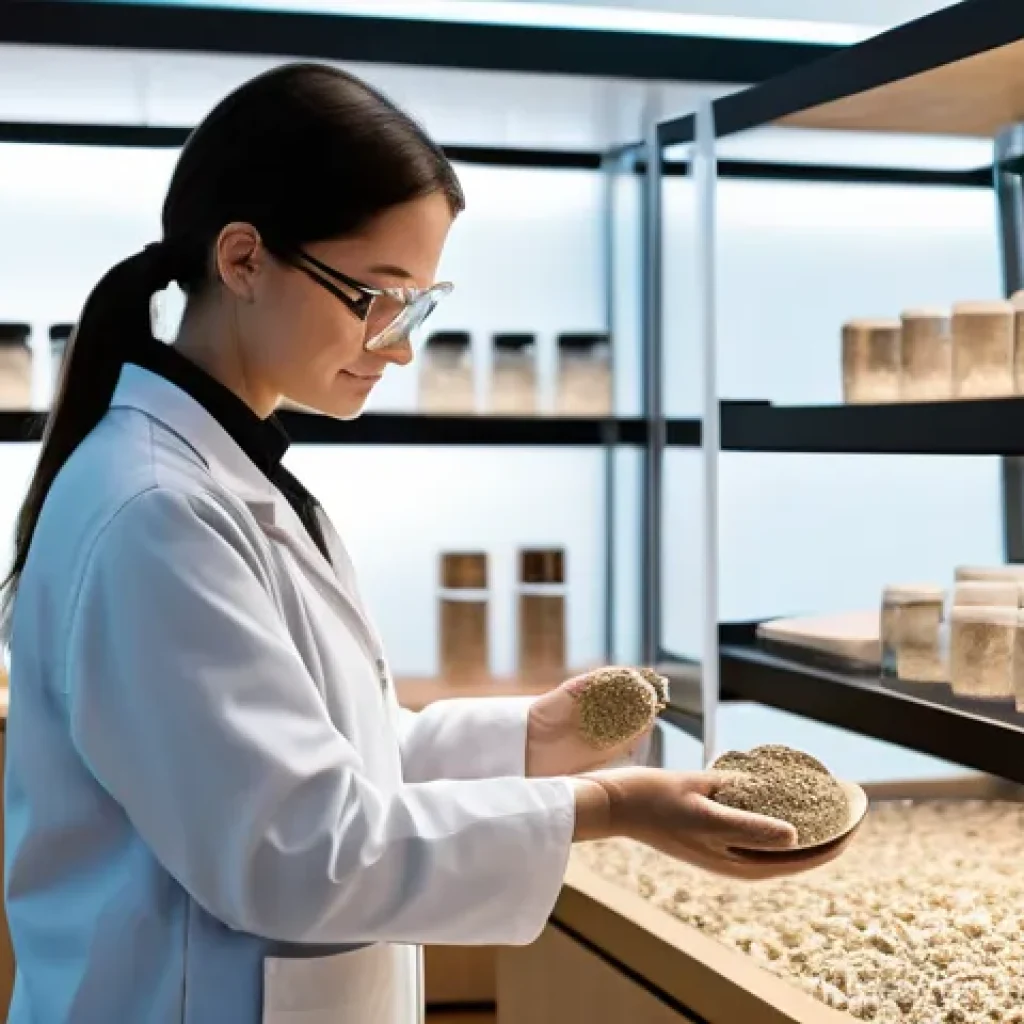
It’s like Mother Nature herself handed us a cheat sheet for eco-friendly design! Seriously, who would have thought that mushrooms, or more specifically, mycelium – the root structure of fungi – could become a viable, incredibly versatile material?
I’ve seen everything from packaging that composts right in your backyard to acoustic panels that look stunning and perform beautifully, all thanks to mycelium.
This isn’t just about reducing waste; it’s about harnessing natural processes to create materials that are strong, lightweight, and completely biodegradable at the end of their life cycle.
Think about it: instead of relying on petrochemicals, we’re growing our materials. It’s a complete paradigm shift, moving us towards an economy that works in harmony with natural ecosystems.
I personally find the tactile experience of these materials fascinating; they often have an earthy, organic feel that synthetic alternatives just can’t replicate.
It truly feels like we’re stepping into a future where our products can literally return to the earth without a trace.
The Rise of Mushroom-Based Marvels
Mycelium technology is still relatively young, but its potential is absolutely staggering. Companies are already using it to create leather alternatives that are indistinguishable from the real thing – soft, durable, and stylish.
I’ve even seen brands developing building insulation and protective packaging from mycelium, which is a game-changer for reducing our reliance on plastics and other non-biodegradable materials.
The beauty of it lies in its rapid growth and minimal resource input; you can literally grow these materials on agricultural waste, turning a problem into a solution.
It’s not just about what it can replace, but what new possibilities it opens up in design and manufacturing. Imagine furniture that grows into shape, or even self-repairing structures!
Algae, Seaweed, and Other Ocean Wonders
Beyond the fungi kingdom, the aquatic world is brimming with untapped potential. Algae and seaweed, for instance, are proving to be incredible sources for bioplastics, packaging films, and even textile dyes.
These organisms grow incredibly fast, require no fresh water or arable land, and actively absorb carbon dioxide as they grow. I’ve been following some fascinating projects where algae are being used to create self-healing concretes and even biofuels.
It’s a win-win: cleaning up our oceans by harvesting these resources and then using them to create sustainable products. The possibilities are truly as vast as the oceans themselves, and it’s thrilling to watch innovators turn these marine marvels into everyday solutions.
Breathing New Life into Waste: The Circular Economy in Action
Honestly, one of the most exciting aspects of the eco-friendly materials revolution is seeing how we’re transforming what used to be considered “trash” into valuable resources.
The idea of a circular economy isn’t just a buzzword; it’s a fundamental rethinking of how we design, produce, and consume. Instead of a linear ‘take-make-dispose’ model, we’re moving towards systems where products and materials are kept in use for as long as possible, extracting their maximum value, and then recovering and regenerating materials at the end of their service life.
This means everything from recycling ocean plastic into high-fashion garments – a personal favorite of mine, as it directly tackles a visible environmental problem – to upcycling agricultural byproducts into building materials.
It’s a powerful narrative of redemption for waste, demonstrating that our discarded items often hold immense untapped potential. I remember feeling a genuine sense of hope the first time I really understood how much we could achieve by simply changing our mindset about waste.
The Ingenuity of Upcycling Everyday Items
Upcycling takes recycling to a whole new level, turning discarded materials into products of higher value or quality. Think about old fishing nets being transformed into stylish carpets or athletic wear, or discarded car tires finding a new life as durable flooring and playground surfaces.
It’s not just about repurposing; it’s about creative transformation that adds genuine value and extends the lifecycle of materials that would otherwise end up in landfills.
I’ve seen artists turn everything from old circuit boards into stunning jewelry to plastic bottles into robust furniture. This creative reuse isn’t just good for the planet; it also often results in unique, character-filled products that consumers truly cherish.
It’s a testament to human innovation and a clear signal that waste isn’t truly waste until we decide it is.
Revolutionizing Recycling Technologies
Beyond traditional recycling bins, cutting-edge technologies are making it possible to recycle materials that were once considered unrecyclable. Chemical recycling, for example, is breaking down plastics into their basic molecular components, allowing them to be rebuilt into new, high-quality plastics that are indistinguishable from virgin materials.
This is a massive step forward, especially for mixed plastics or those contaminated with food waste, which often pose challenges for mechanical recycling.
There’s also incredible progress in textile recycling, where old garments are being deconstructed and reformed into new fibers, reducing the need for virgin cotton or synthetic blends.
I’m particularly enthusiastic about these developments because they address some of the biggest hurdles we’ve faced in creating truly closed-loop systems, giving me confidence that a future without waste is genuinely within reach.
Saying Goodbye to Single-Use: The Dawn of Smart Packaging
Let’s be real, packaging has been one of the biggest environmental headaches for decades. The sheer volume of single-use plastics is staggering, and I, like many of you, have felt that twinge of guilt every time I toss a plastic container.
But here’s the good news: innovation in sustainable packaging is exploding, offering solutions that are not only eco-friendly but also incredibly smart and convenient.
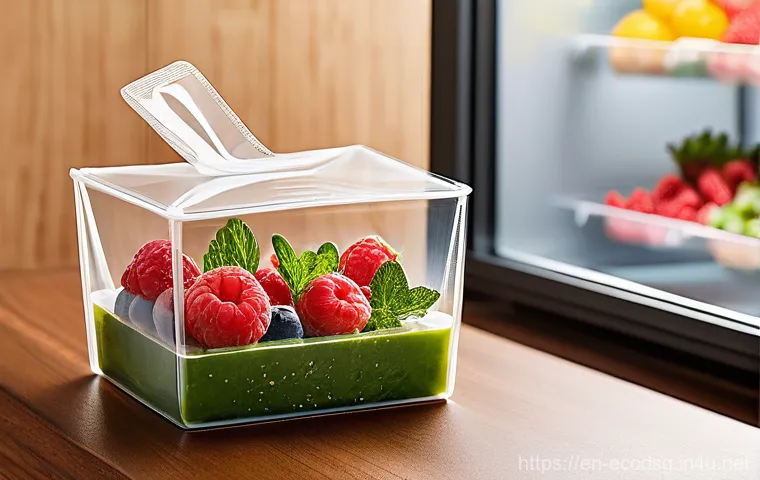
We’re talking about packaging that literally disappears, either by dissolving in water, biodegrading completely in your compost, or even becoming edible!
Imagine buying a drink with a cup you can munch on, or food wrapped in material that enriches your garden soil. It’s a game-changer for reducing landfill waste and microplastic pollution, and it’s something I’ve personally been thrilled to see on store shelves more and more.
Edible and Dissolvable Packaging: A Culinary and Environmental Revolution
The idea of packaging you can eat or that simply vanishes into thin air (or water!) sounds like something out of a sci-fi movie, but it’s very much a reality now.
Companies are developing edible films made from starches, proteins, or even seaweed, that can wrap everything from condiments to snacks. I’ve even tried some of these products, and it’s a delightful and slightly surreal experience to finish your meal and then eat the wrapper!
Beyond edibles, water-soluble packaging made from materials like polyvinyl alcohol (PVA) is gaining traction for things like laundry pods and even some food products.
This means less plastic polluting our oceans and landfills, and a much cleaner end-of-life for products. It’s exciting because it directly tackles the ‘dispose’ part of our consumption cycle in the most elegant way possible.
Next-Gen Bioplastics and Plant-Based Wraps
While the term “bioplastic” can sometimes be a bit confusing, the advancements in this area are undeniable. We’re seeing a new generation of plant-based plastics derived from sources like corn starch, sugarcane, and even agricultural waste, offering properties comparable to traditional plastics without the fossil fuel footprint.
These materials are often compostable or biodegradable, offering a responsible end-of-life solution. I’ve noticed a significant uptick in brands using these innovative films for fresh produce and bakery items, which really makes a difference when you’re trying to reduce your plastic consumption.
It’s not just about what they’re made of; it’s also about their performance – maintaining freshness, providing durability, and reducing food waste, all while being kinder to the planet.
Fashioning a Better Tomorrow: The Fabric Revolution
As someone who loves keeping up with trends, I’ve noticed a massive shift in the fashion industry, and it’s truly exciting. For years, fashion was notorious for its environmental impact, but now, sustainable fabrics are not just a niche option; they’re becoming mainstream.
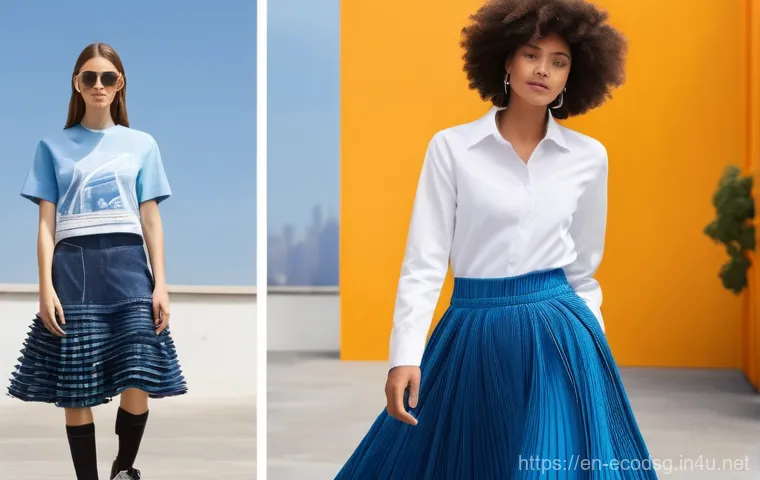
We’re moving beyond just organic cotton to truly revolutionary materials that are changing how we think about clothing. From textiles made from recycled plastic bottles to innovative fibers derived from fruit waste, the creativity is astounding.
I personally feel a lot better investing in brands that are actively pursuing these sustainable pathways, knowing that my choices are contributing to a healthier planet.
It’s not just about looking good anymore; it’s about doing good, and that’s a trend I can wholeheartedly get behind.
From Waste to Wardrobe: Recycled and Upcycled Textiles
The concept of turning trash into treasure is particularly powerful in fashion. Imagine wearing a stylish jacket made from recycled PET bottles, or a chic dress crafted from discarded fishing nets.
This isn’t just a fantasy; it’s happening right now. Brands are increasingly incorporating recycled polyester, nylon, and even cotton into their collections, significantly reducing their reliance on virgin resources and diverting waste from landfills and oceans.
I’ve seen some incredible pieces that are virtually indistinguishable from their conventional counterparts, proving that sustainability doesn’t mean compromising on style or quality.
It’s a clear example of the circular economy providing tangible benefits, making our wardrobes both fashionable and eco-conscious.
Bio-Fibers: The Future is Growing
Beyond recycled materials, the future of fashion is also literally growing. Innovations in bio-fibers are truly mind-blowing. We’re talking about textiles made from pineapple leaves, banana stalks, citrus waste, and even agricultural byproducts like hemp and flax, which require far less water and pesticides than traditional cotton.
There are also exciting developments in lab-grown materials like ‘spider silk’ – incredibly strong and lightweight – and bacterial cellulose, offering biodegradable alternatives to synthetic fabrics.
I’ve tried a few garments made from these novel fibers, and they often offer unique textures and breathability that feel incredibly luxurious. It’s a testament to how science and nature can collaborate to create truly beautiful and sustainable solutions for our closets.
Building Blocks of a Greener World: Sustainable Construction
When we talk about eco-friendly materials, it’s not just about the products we buy and wear; it’s also fundamentally about the spaces we live and work in.
The construction industry has a significant environmental footprint, but it’s also undergoing a massive transformation, embracing sustainable building materials that are revolutionizing how we design and construct our homes and cities.
I’ve been fascinated by how architects and builders are integrating innovative materials that reduce energy consumption, minimize waste, and create healthier indoor environments.
It’s inspiring to see buildings become more than just structures; they’re becoming active participants in a sustainable future, generating their own power and even sequestering carbon.
Timber Takes the Lead: Mass Timber and Engineered Wood
For centuries, wood has been a staple in construction, but new advancements in engineered wood, particularly mass timber products like Cross-Laminated Timber (CLT) and Glued Laminated Timber (Glulam), are truly game-changers.
These materials offer incredible strength and stability, allowing for the construction of tall, complex buildings with a significantly lower carbon footprint than concrete or steel.
Wood is a renewable resource, and when sourced responsibly from sustainably managed forests, it acts as a carbon sink, locking away atmospheric CO2 for the lifetime of the building.
I’ve seen some breathtaking designs utilizing mass timber, and the warmth and natural aesthetic they bring to a space are simply unparalleled. It feels good to know that the very structure around us is helping to heal the planet.
Green Concrete and Smart Insulations
Concrete production is a major contributor to global carbon emissions, but innovators are developing ‘green concrete’ solutions that dramatically reduce its environmental impact.
This includes using industrial byproducts like fly ash or slag as cement replacements, or even developing carbon-negative concretes that absorb CO2 as they cure.
Alongside this, new insulation materials made from recycled denim, mycelium, or aerogels are making buildings far more energy-efficient, significantly reducing heating and cooling demands.
These advancements not only lower operational costs for homeowners and businesses but also contribute to a healthier planet by reducing overall energy consumption.
The move towards truly smart, efficient, and low-impact building materials is one of the most impactful shifts I’ve witnessed.
The Green Economy Boom: Why Sustainability is Smart Business
Beyond the environmental imperative, there’s a powerful economic story behind the rise of eco-friendly materials. This isn’t just about feel-good initiatives; it’s about smart business decisions that are driving innovation, creating jobs, and opening up lucrative new markets.
Companies that embrace sustainable materials are often seeing increased efficiency, reduced waste disposal costs, and a significant boost in brand reputation, which, let’s be honest, is invaluable in today’s market.
Consumers, myself included, are increasingly looking for brands that align with our values, and that includes a genuine commitment to sustainability. This isn’t a fleeting trend; it’s a fundamental shift in how businesses operate and how economies are growing.
It feels like we’re finally recognizing that what’s good for the planet can also be incredibly good for prosperity.
Investor Confidence and Market Growth
The sustainable materials market isn’t just growing; it’s absolutely booming. Investors are pouring capital into companies developing everything from biodegradable plastics to renewable energy components, recognizing the long-term potential and resilience of these sectors.
Reports consistently show double-digit growth rates for various segments of the green materials market, indicating a clear trajectory towards mainstream adoption.
This surge in investment is accelerating research and development, bringing even more innovative solutions to market faster. It’s inspiring to see financial institutions and venture capitalists align their strategies with environmental stewardship, proving that sustainability isn’t just a cost center but a powerful engine for economic expansion and job creation.
Consumer Demand: Voting with Our Wallets
Perhaps the most powerful driver behind the sustainable materials revolution is us – the consumers. We are increasingly savvy, doing our research, and actively seeking out products that are genuinely eco-friendly.
This isn’t just a niche group anymore; it’s a broad and growing demographic that is willing to pay a premium for sustainable options and hold brands accountable for their environmental claims.
I’ve personally felt this shift in my own purchasing habits; I actively look for certifications, read ingredient lists, and prefer brands with transparent supply chains.
This collective power of choice is sending a clear message to manufacturers: innovate sustainably, or risk losing market share. It’s incredibly empowering to know that our everyday purchasing decisions are directly influencing the future of materials and driving positive change.
| Material Category | Key Innovations & Examples | Primary Benefits |
|---|---|---|
| Bio-Based Materials | Mycelium (mushroom leather, packaging), Algae bioplastics, Seaweed films | Renewable, biodegradable, lower carbon footprint, less reliance on fossil fuels |
| Recycled & Upcycled | Recycled PET (polyester), Ocean plastic textiles, Upcycled agricultural waste (e.g., coffee grounds for composites) | Reduces landfill waste, conserves virgin resources, prevents pollution |
| Sustainable Packaging | Edible films, Water-soluble pods (PVA), Compostable bioplastics (PLA, PHA) | Minimizes single-use waste, reduces plastic pollution, improves end-of-life solutions |
| Green Construction | Mass Timber (CLT, Glulam), Green Concrete (fly ash, slag replacements), Recycled insulation | Lower embodied carbon, improved energy efficiency, renewable resources, healthier indoor air quality |
| Eco-Friendly Textiles | Pineapple leather (Piñatex), Banana fiber, Hemp, Organic cotton, Recycled synthetic fibers | Reduced water/pesticide use, lower energy consumption, animal-free alternatives, circularity in fashion |
Navigating Your Green Path: Practical Steps for Eco-Conscious Living
So, we’ve talked a lot about the incredible innovations happening in sustainable materials, but now comes the really exciting part: how do we actually integrate these advancements into our daily lives?
It can feel a bit overwhelming at first, with so many options and so much information out there. But trust me, even small changes can make a huge difference, and the journey itself is incredibly rewarding.
I’ve found that the key is to start somewhere, even if it’s just one area of your life, and then gradually build from there. It’s about making conscious choices, asking questions, and being a curious consumer.
This isn’t about perfection; it’s about progress and embracing a more thoughtful approach to what we buy and how we use it.
Becoming a Savvy Sustainable Shopper
One of the most immediate ways to support the eco-friendly materials movement is through your purchasing power. When you’re shopping for anything from clothing to home goods, take a moment to look at the labels.
Are brands highlighting recycled content, organic certifications, or biodegradable materials? Look for companies that are transparent about their supply chains and environmental commitments.
I’ve found that even a quick search on your phone can often reveal a lot about a brand’s sustainability practices. It’s about consciously choosing products made from sustainable materials over their conventional counterparts whenever possible.
Remember, every purchase is a vote for the kind of world you want to live in, and by choosing green, you’re sending a powerful message to the market.
Embracing Durability and Circularity at Home
Beyond new purchases, think about extending the life of what you already own and embracing circularity in your home. Can that old piece of furniture be upcycled with a fresh coat of eco-friendly paint?
Can clothes be repaired instead of replaced? Opt for products made with durable, high-quality sustainable materials that are designed to last, reducing the need for constant replacement.
Also, consider how products can be recycled or composted at the end of their life. Investing in items made from materials that can easily re-enter the resource loop is a game-changer.
I personally love finding new uses for old items, whether it’s turning glass jars into storage or old towels into cleaning rags; it truly feels like a little victory for the planet every time.
Wrapping Things Up
Phew! What an incredible journey we’ve taken through the world of sustainable materials, right? From the humble mushroom to ocean-grown wonders, it’s truly astounding to witness the ingenuity and passion driving this revolution. It fills me with so much hope to see how we’re reshaping our relationship with the planet, turning challenges into breathtaking opportunities. Let’s keep exploring, keep learning, and most importantly, keep making those conscious choices that lead us to a brighter, greener tomorrow!
Handy Tips for Your Sustainable Journey
1. Don’t feel pressured to overhaul your entire life overnight. Seriously, that’s just a recipe for burnout! Start small – maybe choose one product category, like cleaning supplies or clothing, and focus on swapping out for sustainable alternatives there. Those little wins add up faster than you think, and they build momentum for bigger changes down the road. It’s all about finding what works for *you* and making it a sustainable habit.
2. Before you buy new, always ask yourself: Can I repair it? Can I borrow it? Can I buy it secondhand? The most sustainable item is often the one you already own or one that’s getting a second life. Thrifting, repairing, and sharing aren’t just eco-friendly; they’re often budget-friendly too, which is a win-win in my book! I’ve found some absolute gems in consignment shops that I cherish more than anything new.
3. Become a label detective! Seriously, those little tags and symbols hold a wealth of information. Look for certifications like ‘Organic,’ ‘FSC-certified’ for wood, ‘Fair Trade,’ or specific recycling codes. A quick Google search of unfamiliar terms can empower you to make much more informed decisions. It’s a bit like learning a new language, but one that helps you support truly ethical and sustainable brands.
4. Embrace the power of local! Supporting local businesses often means reducing transportation emissions and encouraging a more localized, resilient economy. Farmers’ markets, local artisans, and community stores are fantastic places to find unique, often handmade, items that haven’t traveled halfway across the globe. Plus, you get to connect with the people behind the products, which adds a wonderful personal touch.
5. Don’t underestimate the impact of your voice. Engage with brands on social media, send them emails, and let them know you’re looking for more sustainable options. Your collective demand is a huge driving force for companies to innovate and change their practices. Every time you choose a green product, you’re not just buying an item; you’re casting a vote for a sustainable future, and that’s incredibly powerful.
Key Takeaways for a Greener Future
We’ve really seen today how the world of materials is undergoing a profound transformation, moving us away from a linear ‘take-make-dispose’ model towards a vibrant circular economy. The incredible innovations in bio-based materials, like mycelium and algae, show us that nature truly holds the blueprints for a sustainable future. It’s not just about what we extract from the earth, but how cleverly we can grow, adapt, and reuse resources, creating products that seamlessly return to nature or endlessly circulate within our economy.
Furthermore, the shift towards sustainable practices isn’t just an environmental necessity; it’s a massive economic opportunity. From smart packaging that vanishes without a trace to green construction methods and eco-friendly fashion, every sector is seeing exciting advancements driven by both innovation and strong consumer demand. Our choices, as individuals, hold immense power in accelerating this change, making us active participants in building a healthier, more prosperous world. It’s about embracing durable, recyclable, and naturally derived alternatives, proving that what’s good for the planet is ultimately good for us all.
Finally, remember that embracing a sustainable lifestyle is a journey, not a destination. It’s about making incremental, thoughtful choices that align with our values. By staying informed, supporting conscious brands, and championing innovative materials, we collectively contribute to a future where our products and practices work in harmony with the natural world, ensuring a thriving planet for generations to come. Let’s keep this conversation going and inspire more people to join in!
Frequently Asked Questions (FAQ) 📖
Q: What exactly are these ‘eco-friendly materials’ everyone’s talking about, and why are they suddenly everywhere?
A: Oh, that’s such a great question to start with! When we talk about “eco-friendly” or “sustainable” materials, we’re really talking about materials designed to minimize their impact on our planet throughout their entire lifecycle – from how they’re sourced to how they’re disposed of, or even better, repurposed.
Think about it: traditional materials often deplete finite resources, create mountains of waste, and sometimes even release harmful pollutants. Sustainable alternatives, on the other hand, aim to reduce all of that.
These can be materials that are renewable, like bamboo or hemp; recycled, such as plastics, metals, or even concrete salvaged from old buildings; or biodegradable, like those cool bioplastics made from cornstarch or sugarcane that I mentioned earlier.
The reason they’re popping up everywhere isn’t just a happy accident; it’s a confluence of factors, really. First off, consumer demand is HUGE. People like you and me are becoming super aware of our environmental footprint and actively seeking out products that align with our values.
We want transparency, and we want to feel good about our purchases! Then there’s the economic side of things. As the cost of virgin resources fluctuates and regulations tighten, businesses are finding that investing in sustainable practices isn’t just ethical, it’s smart business.
It can reduce waste, cut down on energy consumption, and even open up new market opportunities. Plus, with incredible advancements in science and technology, we now have the ability to create amazing new materials that just weren’t possible before.
It’s a truly exciting time to be part of this shift!
Q: What are some of the most exciting new innovations in eco-friendly materials that we’re seeing right now or can expect very soon?
A: This is where it gets truly fascinating! I mean, who would have thought a few years ago that we’d be talking about things like “mushroom leather” or packaging that disappears?
But seriously, the innovation is exploding. We’re seeing groundbreaking developments across so many industries. In fashion and textiles, for example, researchers are developing materials from things like algae, mushroom mycelium (that’s the root structure of fungi!), and even citrus waste, creating sustainable alternatives to traditional fabrics and animal leather.
Imagine a chic handbag made from mushrooms – how cool is that? For packaging, the game is changing rapidly. Beyond the dissolvable packaging I mentioned, we’re seeing advanced bioplastics made from renewable resources like corn starch or sugarcane, molded fiber products from recycled paper or agricultural waste, and even edible packaging for certain foods.
The goal here is to drastically cut down on plastic waste and move towards fully compostable or recyclable solutions. And in construction, wow! We’re talking about things like “green concrete” that uses recycled materials and less energy to produce, or structural insulated panels (SIPs) made from recycled plastics and bio-based materials for better insulation.
There’s even “pollution-absorbing bricks” and “3D-printed living buildings” that can literally grow plants to strengthen structures and create self-sustaining ecosystems.
Can you believe it? It’s truly a testament to human ingenuity when we put our minds to solving environmental challenges!
Q: How do sustainable materials contribute to a “circular economy,” and why is that concept so important for our future?
A: Ah, the circular economy – it’s a concept that’s really at the heart of this entire movement, and I honestly think it’s the key to a truly sustainable future.
Traditionally, our economy has operated on a “take-make-use-dispose” linear model. We extract raw materials, make products, use them, and then, well, we throw them away.
This creates a massive amount of waste and puts immense pressure on our finite natural resources. A circular economy, on the other hand, aims to break that cycle by designing out waste and pollution, keeping products and materials in use for as long as possible, and regenerating natural systems.
Sustainable materials are absolutely crucial to this because they are specifically chosen or designed with circularity in mind. Here’s how I see them fitting together:
First, by using renewable materials like wood from sustainably managed forests or fast-growing bamboo, we reduce our reliance on finite resources.
Second, recycled materials, like recycled steel, concrete, or plastics, mean we’re taking existing waste and giving it a new life, preventing it from ending up in landfills or oceans.
This isn’t just about throwing a bottle in a recycling bin; it’s about designing products from the get-go so their components can be easily recovered and reused, maintaining their highest value.
And third, biodegradable materials, when properly composted, can safely return nutrients to the earth, completing the natural cycle. It’s important because this approach offers massive environmental benefits, like reducing carbon emissions, conserving water, and protecting biodiversity.
But it also makes a lot of economic sense. It fosters innovation, creates new jobs, and can even lead to cost savings for businesses in the long run by making them less dependent on volatile raw material markets.
For me, it feels like moving from just “less bad” to genuinely “doing good” for the planet and for future generations. It’s about creating an economic system that truly works with nature, not against it.