Hey there, sustainability seekers and design enthusiasts! Have you ever stepped into a building or held a product and instantly felt a connection, knowing it was crafted not just with beauty in mind, but with the health of our planet at its core?
This isn’t just a fleeting trend anymore; eco-friendly design is truly reshaping our world, from the towering skyscrapers defining our cityscapes to the everyday items we use.
I’ve personally spent countless hours immersed in the cutting-edge of this movement, witnessing firsthand how brilliant minds are innovating with everything from recycled plastics in furniture to advanced biophilic architecture that mimics nature itself.
It’s incredibly exciting to see how these pioneering projects are not only reducing our carbon footprint but also enhancing our well-being and redefining what ‘luxury’ truly means.
We’re talking about smart, sustainable solutions that are becoming more accessible and impactful than ever before, promising a greener, more mindful future for us all.
The shift is palpable – consumers are demanding more, and designers are delivering brilliance. So, if you’re curious about the projects leading this charge and want some actionable insights for your own life, let’s dive into some truly inspiring examples and see how we can all contribute to a greener world!
Wow, what an incredible journey we’re on with eco-friendly design! It’s genuinely mind-blowing to see how much innovation is happening, not just in grand architectural statements but in the everyday items that shape our lives.
I’ve been tracking these developments for years, and the pace of change is truly inspiring. It’s not just about being “green” anymore; it’s about smart, thoughtful design that benefits both people and the planet.
Let’s dive into some of the coolest aspects I’ve encountered and see how these ideas are truly taking root.
The Heart of Sustainable Living: Where Design Meets Purpose
Crafting Spaces with a Conscience
I’ve always believed that our living spaces should do more than just house us; they should inspire us and connect us to something bigger. When I first started exploring eco-friendly design, I was struck by how it wasn’t just about aesthetics, but about a deep, underlying purpose.
It’s about designing buildings and products with the entire lifecycle in mind, from the materials sourced to their eventual disposal or reuse. I remember visiting a community project years ago where reclaimed wood from an old barn was given a second life in a modern, airy co-working space.
The texture, the stories etched into that wood – it gave the place such character and a warmth that no brand-new material could ever replicate. It taught me that sustainability isn’t about sacrificing beauty; it’s about finding a richer, more authentic kind of beauty.
This approach ensures that every element, from the structural beams to the smallest decorative accent, contributes positively to the environment and our well-being.
It’s a holistic view that challenges traditional design paradigms, pushing us towards solutions that are inherently good.
The Ripple Effect of Thoughtful Creation
What truly excites me about this movement is the ripple effect that thoughtful design can have. It’s not just about one building or one product; it’s about shifting an entire mindset.
When architects and designers choose sustainable practices, they influence supply chains, inspire other creators, and ultimately educate consumers. I’ve personally witnessed how a single innovative building, like those incorporating extensive green roofs or vertical gardens, can spark a conversation and encourage adjacent developments to adopt similar features.
It’s a powerful transformation that starts with a conscious choice. When you select a piece of furniture made from recycled materials or invest in energy-efficient appliances, you’re not just making a purchase; you’re casting a vote for a better future.
This collective action is what truly accelerates change, pushing industries to innovate and prioritize ecological responsibility. It’s about recognizing that every design decision, big or small, has a consequence, and aiming for those consequences to be overwhelmingly positive.
Innovative Materials: The Future is Already Here
From Waste to Wonder: Upcycling’s New Frontier
One of the most thrilling areas of eco-friendly design, in my opinion, is the explosion of innovative materials, especially those born from waste. Who would have thought that agricultural waste or even fungi could become the building blocks of our future?
I recently read about incredible bioplastic cladding made from biochar that actually captures more carbon than it releases – talk about a game-changer!
And then there’s mycelium, the root structure of mushrooms, being used to create lightweight, biodegradable composites for insulation and even structural elements.
It’s like something out of a sci-fi novel, but it’s happening right now. These materials aren’t just eco-friendly; many of them offer unique textures, colors, and properties that traditional materials simply can’t match, opening up entirely new aesthetic possibilities.
It’s challenging our perception of what a “good” material is, proving that strength and beauty can indeed come from unexpected places, often those we once discarded.
This creative alchemy, transforming what was once seen as worthless into something valuable and sustainable, is nothing short of revolutionary.
Nature’s Bounty: Harnessing Renewable Resources
Beyond transforming waste, designers are also rediscovering and innovating with nature’s inherent renewable resources. Think cross-laminated timber (CLT) as a robust, renewable alternative to concrete and steel, offering lower embodied carbon.
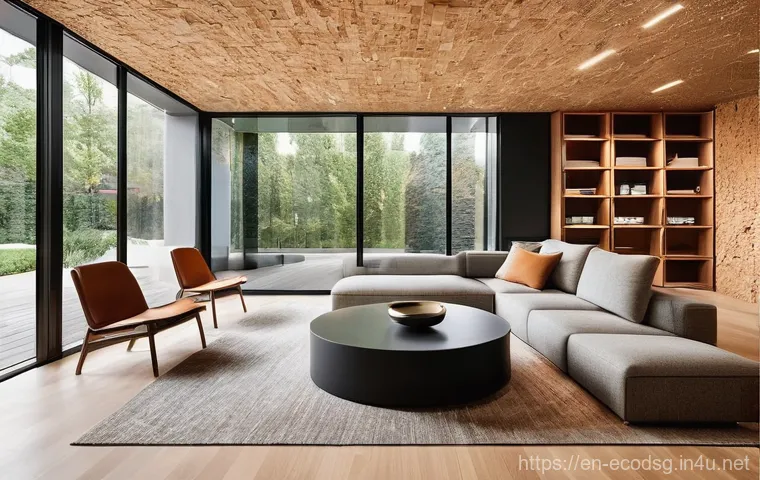
Or sustainable insulation materials like cellulose, sheep wool, and cork, which are not only renewable and non-toxic but also provide excellent thermal performance, keeping homes cozy in winter and cool in summer without a huge energy footprint.
I’ve seen some stunning interiors where bamboo, with its rapid growth rate and incredible strength, is used for flooring, furniture, and even wall coverings, bringing a serene, organic feel to a space.
It’s about leveraging what the earth naturally provides in a way that’s respectful and regenerative. The beauty of these materials often lies in their unprocessed or minimally processed state, allowing their natural character to shine through and connect us more deeply to the environment around us.
This movement emphasizes working *with* nature, rather than against it, ensuring a continuous cycle of renewal.
| Eco-Friendly Material | Key Benefit | Common Applications |
|---|---|---|
| Recycled Plastic/Bioplastics | Reduces landfill waste, carbon-negative options available | Cladding, furniture, decor, packaging |
| Mycelium Composites | Lightweight, biodegradable, excellent insulation | Insulation, structural panels, packaging |
| Cross-Laminated Timber (CLT) | Renewable, strong, lower embodied carbon than concrete/steel | Structural elements, walls, floors |
| Cork | Renewable, natural insulator, sound dampening | Flooring, insulation, wall coverings, furniture |
| Reclaimed Wood | Reduces demand for new timber, unique aesthetic | Flooring, furniture, decorative elements, structural use |
| Hempcrete | Carbon-sequestering, breathable, excellent insulation | Wall infill, insulation |
Bringing Nature Indoors: The Power of Biophilic Design
Reconnecting with Our Roots: Healthier Spaces, Happier Lives
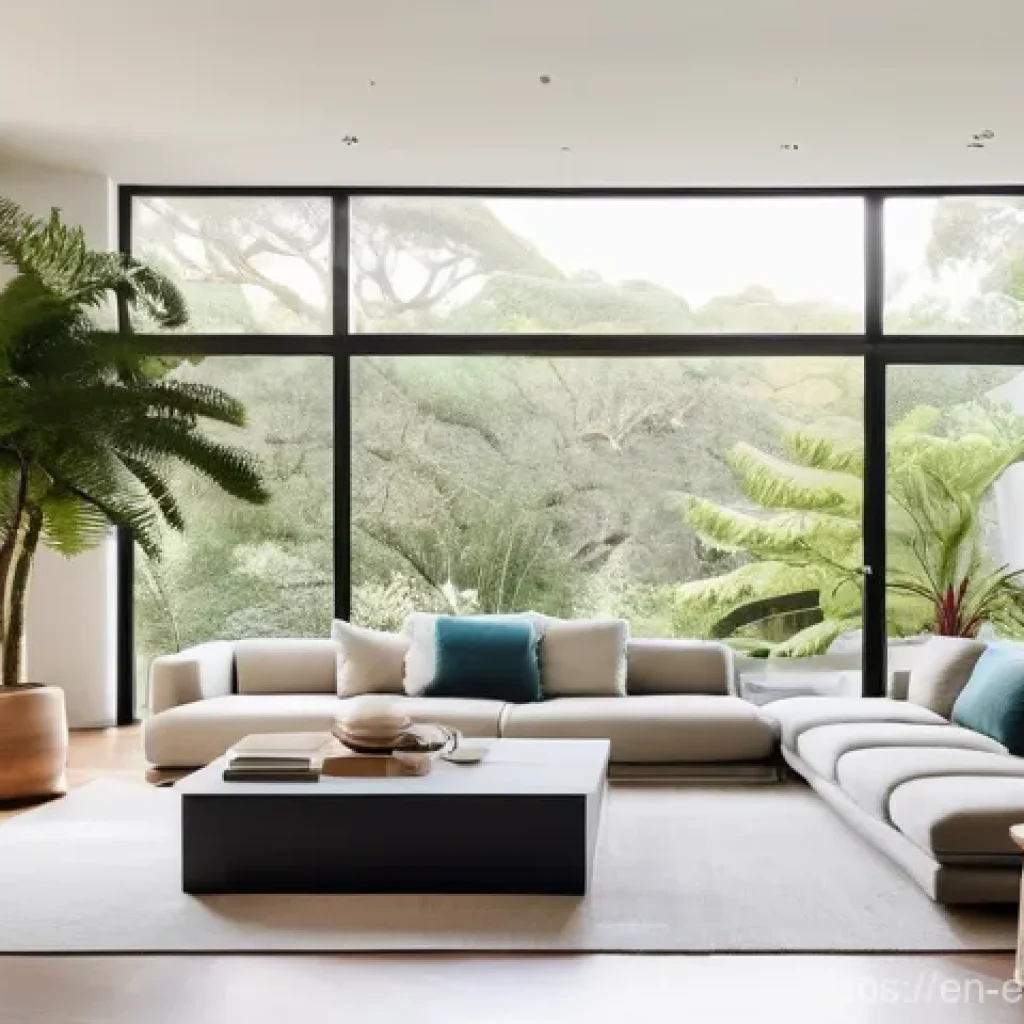
Have you ever walked into a room filled with natural light and plants and just felt an immediate sense of calm? That’s the magic of biophilic design at work.
It’s about intentionally integrating natural elements and processes into our built environments to foster a deeper connection between humans and nature.
I’ve seen incredible examples, from expansive indoor gardens in corporate headquarters like Amazon’s Spheres in Seattle to residential towers like Milan’s Bosco Verticale, which are literally covered in thousands of trees and shrubs, acting as vertical forests.
It’s not just about looking pretty; studies have shown that biophilic design can reduce stress, improve cognitive function, and enhance overall well-being.
For me, it’s about bringing that serene feeling of being outdoors, the one we often crave after a long week, directly into our daily lives, making our homes and workplaces not just functional but truly nurturing.
This thoughtful integration fundamentally shifts how we experience our environments, enriching our mental and physical health in profound ways.
Beyond Just Plants: Integrating Natural Patterns and Light
Biophilic design is so much more than just adding a few houseplants – although those are great too! It encompasses a holistic approach that integrates natural patterns, light, and even water features into our spaces.
Think about designs that maximize natural light with large windows, reducing the need for artificial lighting and creating a brighter, more expansive feel.
I’ve been captivated by projects that incorporate flowing water elements, like the Charles Korrick Fountain in Phoenix, which not only adds a visually stunning element but also a calming soundscape, creating an oasis in an urban setting.
Architects are also mimicking natural shapes and forms, using organic curves and textures that resonate with our innate appreciation for nature’s beauty.
Even incorporating views of greenery or employing materials with natural textures can create a subtle, yet powerful, sense of connection. It’s about creating an environment that feels inherently good, tapping into our primal need for the natural world to thrive.
This nuanced approach proves that nature’s influence can be felt even without a sprawling garden, transforming concrete jungles into serene sanctuaries.
Making a Difference at Home: Small Steps, Big Impact
Smart Choices for Your Sanctuary
I truly believe that making a positive impact starts right in our own homes, and it doesn’t have to mean a complete overhaul. There are so many fantastic eco-friendly products available now that make sustainable living not just achievable but also incredibly stylish and convenient.
I’m talking about things like plant-based, refillable cleaning products that cut down on plastic waste without sacrificing effectiveness. Or bamboo toothbrushes and reusable silicone food storage bags that replace their single-use plastic counterparts, significantly reducing our daily footprint.
I’ve personally switched to using compostable sponges in my kitchen, and it feels so good knowing I’m not sending synthetic materials to a landfill for centuries.
These small choices add up to a monumental difference, and honestly, many of these eco-friendly alternatives perform even better than their traditional counterparts while looking much more aesthetically pleasing in my home.
It’s about consciously curating our living spaces with items that align with our values and contribute to a healthier planet.
Energy Efficiency: Your Wallet and the Planet Will Thank You
When we talk about making a big impact at home, energy efficiency is definitely at the top of my list. It’s not just about reducing your carbon footprint; it’s about smart financial savings too!
I’ve been incredibly impressed with how far smart home technology has come in this regard. Installing a smart thermostat, for example, allows you to learn your routines and adjust heating and cooling automatically, cutting down on wasted energy without you even having to think about it.
I mean, who hasn’t left the AC blasting when they left the house in a hurry? Smart lighting systems with LED bulbs are another game-changer; they can be programmed to turn off in unoccupied rooms or adjust brightness based on natural light, making a real dent in electricity bills.
And let’s not forget about smart appliances that are designed with energy efficiency in mind, optimizing water and power usage. It’s a win-win: your home becomes more comfortable and convenient, your utility bills shrink, and you’re actively contributing to a greener planet.
It’s an investment that truly pays dividends in more ways than one, making sustainable living effortlessly integrated into modern life.
Smart Tech, Green Choices: How Innovation Powers Sustainability
The Internet of Green Things: Connected Eco-Systems

I often get asked about how technology fits into the eco-friendly puzzle, and my answer is always enthusiastic: brilliantly! The “Internet of Green Things” is truly revolutionizing how we manage our environmental impact.
Think beyond just smart thermostats; we’re now seeing entire home ecosystems that integrate renewable energy sources like solar panels with intelligent management systems.
These systems can optimize how solar energy is generated, used, and even stored, reducing reliance on traditional grids. I’ve seen systems that adjust watering schedules for gardens based on real-time soil moisture and weather forecasts, preventing overwatering and conserving precious resources.
This level of connectivity means our homes can operate at peak efficiency, silently making green choices for us. It’s a paradigm shift where technology isn’t just about convenience, but about empowering us to live more sustainably without constant manual intervention, creating a truly responsive and responsible living environment.
Data-Driven Decisions for a Lighter Footprint
What truly fascinates me about smart green tech is its ability to provide real-time data that helps us make more informed, eco-conscious decisions. Gone are the days of mystery utility bills; many smart devices now give you detailed insights into the energy consumption of individual appliances.
This kind of transparency is incredibly empowering! I’ve personally used apps that break down my energy usage, showing me exactly where I can make tweaks to reduce waste.
It’s like having a personal sustainability coach right in your pocket. This data can reveal surprising energy vampires in your home, allowing you to cut power to devices in standby mode or schedule energy-intensive tasks during off-peak hours.
This isn’t just about saving money; it’s about gaining a deeper understanding of our consumption patterns and actively working to reduce our environmental footprint.
It truly feels like we’re moving towards a future where every household can become a micro-manager of its own eco-impact, all powered by intelligent data.
Rethinking Waste: Circular Economy in Action
Designing Out Waste: A New Philosophy
The idea of a “circular economy” has completely transformed my understanding of design, and honestly, it’s one of the most exciting concepts out there.
Instead of our traditional linear model of “take, make, dispose,” the circular economy focuses on keeping resources in use for as long as possible, extracting the maximum value from them while in use, then recovering and regenerating products and materials at the end of their service life.
It’s a fundamental shift, moving from just recycling to “designing out waste” from the very beginning. I’ve seen amazing examples in construction, like The Circle House project in Denmark, where 90% of building materials are designed to be demounted and reused or resold without losing value.
This isn’t just about making things last; it’s about anticipating their next life, making every component a potential resource for future creations. It’s a philosophy that sees value where we once saw trash, pushing designers to innovate with longevity, repairability, and ultimate recyclability in mind from the drawing board.
Products That Last: Durability as a Virtue
In a world accustomed to planned obsolescence, products designed for durability and easy repair are a breath of fresh air, and a cornerstone of the circular economy.
This means creating items that are not only built to withstand the test of time but can also be easily maintained, updated, or fixed if something goes wrong.
I’ve been incredibly impressed by companies that offer buy-back programs for their furniture, giving items a second life in an “as-is” section, or those like Apple and HP, who use recycling robots to recover valuable materials from old devices to make new ones.
It’s about valuing craftsmanship and longevity, shifting away from a disposable culture. When you buy a product that’s designed to last and be repaired, you’re investing in quality and drastically reducing your consumption over time.
It makes me feel good knowing that my choices support companies that are committed to a more resilient and sustainable future, where products are cherished and resources are respected.
Wrapping Things Up
Wow, what a journey we’ve had exploring the incredible world of eco-friendly design! It truly fills my heart to see how much positive change is happening, and it’s something I’ve passionately followed for so long. From groundbreaking materials transforming waste into wonder to the calming power of bringing nature indoors, it’s clear that sustainable living isn’t just a trend; it’s a profound shift towards a healthier, more harmonious way of life. I hope this deep dive has inspired you as much as it inspires me to look at our spaces and choices through a greener lens. Remember, every conscious decision, big or small, contributes to a brighter future for all of us.
Useful Information to Keep in Mind
1.
Explore Green Certifications
When looking for truly eco-friendly products or building materials, keep an eye out for recognized certifications like LEED (Leadership in Energy and Environmental Design) for buildings, FSC (Forest Stewardship Council) for wood products, or Cradle to Cradle Certified for materials. These labels signify a commitment to rigorous environmental standards and can help you make informed choices. It’s like having a trusted guide point you toward the very best, ensuring you’re investing in genuine sustainability and not just “greenwashing” claims.
2.
Connect with Local Artisans
Often, the most sustainable items are those crafted locally, reducing transportation emissions and supporting your community. Seek out local artisans who specialize in upcycled furniture, handmade ceramics, or natural textiles. You’ll not only find unique, high-quality pieces but also contribute to a thriving local economy and help preserve traditional crafts. Plus, the stories behind these pieces often add so much more character to your home.
3.
DIY Eco-Friendly Upgrades
Don’t underestimate the power of a weekend DIY project! Simple changes like sealing drafts around windows and doors, adding low-flow aerators to faucets, or planting a small herb garden can significantly reduce your environmental impact and save you money. I’ve personally found so much satisfaction in tackling these projects, and it’s amazing how much of a difference a few hours can make to your home’s efficiency and your own well-being.
4.
Leverage Smart Home Technology
Beyond thermostats, consider smart power strips that cut power to devices when not in use, or smart water monitors that detect leaks and optimize usage. These gadgets aren’t just for convenience; they’re powerful tools for understanding and significantly reducing your household’s resource consumption. I’ve been amazed at how much I’ve saved on my utility bills just by letting my smart home take care of the heavy lifting.
5.
Support Circular Economy Brands
Look for companies that actively embrace circular economy principles – those that offer repair services, take back old products for recycling, or design items for disassembly and reuse. By choosing these brands, you’re not just buying a product; you’re investing in a future where waste is minimized, and resources are valued and kept in circulation. It truly shifts the paradigm from consumption to stewardship, making your purchases feel truly meaningful.
Key Takeaways
At its core, eco-friendly design is about more than just aesthetics; it’s a holistic philosophy that values the planet, people, and thoughtful innovation. We’ve seen how transformative it is when designers and consumers alike embrace materials born from waste, harness renewable resources, and intentionally bring the restorative power of nature into our daily lives through biophilic design. Every small step, from choosing sustainable products for our homes to leveraging smart technology for efficiency, collectively contributes to a monumental shift. By rethinking our relationship with consumption and supporting a circular economy, we’re not just making choices; we’re building a healthier, more resilient future. It’s a journey I’m thrilled to be on, and I genuinely believe that together, we can create spaces that are as kind to the Earth as they are inspiring to live in.
Frequently Asked Questions (FAQ) 📖
Q: What exactly is “eco-friendly design,” and why does it feel like everyone is suddenly talking about it?
A: That’s a fantastic question, and one I get asked a lot! To me, “eco-friendly design” isn’t just a buzzword; it’s a profound philosophy that guides how we create everything, from the chair you’re sitting on to the building you work in.
At its heart, it’s about crafting things with minimal negative impact on our planet, focusing on sustainability throughout an item’s entire lifecycle.
Think about it: using materials that are renewable, recycled, or responsibly sourced; designing for longevity and repairability; and ensuring that products can eventually be recycled or composted themselves.
It’s a holistic approach. I’ve personally seen a massive shift in just the last few years. What used to be a niche concern for a few passionate advocates has exploded into mainstream consciousness.
Why now? I think a huge part of it is that people are genuinely becoming more aware of our environmental challenges. We’re seeing the tangible effects of climate change, and consumers, myself included, are demanding better.
Plus, innovators are constantly pushing the boundaries, making eco-friendly options not just viable, but often more beautiful, durable, and even cost-effective in the long run.
It’s no longer about sacrifice; it’s about smarter, healthier, and more ethical choices that genuinely enhance our lives and our surroundings.
Q: I’m really keen to make more sustainable choices, but it feels a bit overwhelming. How can I actually bring eco-friendly design into my own home or daily life without a complete overhaul?
A: I totally get that feeling! When I first started diving into this world, it felt like there was so much to learn and do, and honestly, it can be a bit intimidating.
But the beauty of eco-friendly design is that you don’t need to transform everything overnight. Small, mindful steps can make a huge difference, and from my experience, they actually feel the most sustainable for you.
Start with what you use most often. Could you swap out your old, energy-guzzling lightbulbs for LEDs? That’s an immediate win for your energy bill and the planet!
Or, consider the materials in your home. Instead of buying new, mass-produced decor, hunt for unique pieces made from reclaimed wood or recycled glass.
Thrift stores and local artisan markets are goldmines for these finds! When buying new furniture, look for brands that prioritize sustainable materials like bamboo, cork, or even recycled plastics that are getting incredibly chic.
And don’t underestimate the power of bringing nature in. A few houseplants not only improve air quality but also bring that biophilic connection to your space, making it feel calmer and more alive.
Remember, it’s not about perfection; it’s about making conscious, informed choices that align with your values, one step at a time. Every little change adds up to a big impact!
Q: What are some of the coolest, most innovative eco-friendly design projects or trends you’ve seen recently, and where do you think this movement is headed?
A: Oh, this is where my inner design enthusiast truly lights up! I’ve been utterly captivated by the sheer ingenuity happening in eco-friendly design right now.
One trend that’s really exciting me is the rise of biomaterials – think furniture made from mycelium (mushroom roots!), textiles spun from algae, or even building blocks derived from agricultural waste.
It’s truly fascinating to witness how designers are rethinking everything from urban planning to a single coffee cup. I recently saw an exhibition featuring interior panels made entirely from compressed agricultural waste – who knew waste could look so chic and perform so well?
Another huge area of innovation is biophilic architecture, which aims to integrate natural elements and processes into building design. We’re talking about skyscrapers with living walls that purify the air, buildings designed to maximize natural light and ventilation, and spaces that make you feel truly connected to nature, even in a bustling city.
Looking ahead, I believe we’ll see an even stronger push towards a truly circular economy, where waste is seen as a resource, and products are designed not just for use, but for continuous reuse and regeneration.
AI and smart technology will also play a massive role, optimizing energy consumption in buildings, personalizing sustainable choices, and helping us understand our environmental footprint better.
The future of design, as I see it, is not just about making things beautiful or functional, but about making them inherently regenerative and beneficial for both people and the planet.
It’s an incredibly hopeful and inspiring direction!