10 Brilliant Eco-Design Solutions That Will Revolutionize Your Business

webmaster

에코디자인 실무에서의 문제 해결 사례 - **Prompt:** A group of diverse young adults, casually dressed in stylish, contemporary clothing that...

Alright, my fellow eco-conscious innovators and trendsetters! It feels like just yesterday we were talking about recycling bins, and now? We’re on the cusp of a total paradigm shift, where design isn’t just about looking good, but about *doing* good for our planet.

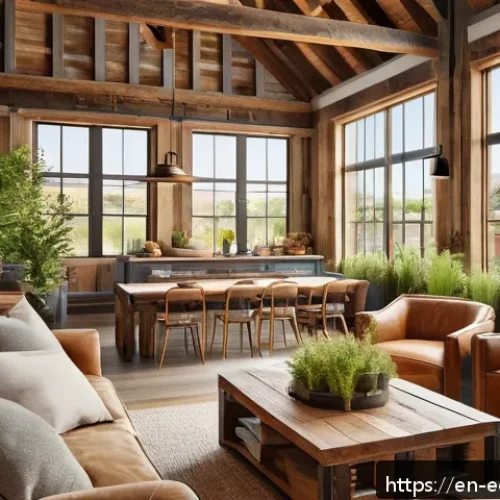
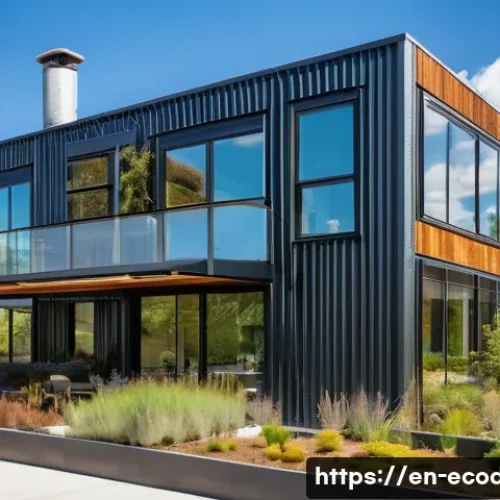
에코디자인 실무에서의 문제 해결 사례 관련 이미지 1

I’ve been diving deep into the latest in eco-design, and let me tell you, the sheer ingenuity out there is mind-blowing. We’re seeing everything from incredible new materials to game-changing approaches that are tackling some seriously tricky problems in the real world.

Forget old-school “take-make-dispose” thinking; the future is all about circularity, regeneration, and creating products that genuinely give back. But it’s not always smooth sailing, is it?

Businesses and designers are encountering fascinating challenges, from sourcing truly sustainable components to rethinking entire supply chains and even getting consumer buy-in.

It’s an exciting, sometimes daunting, journey, but the innovative solutions emerging are truly inspiring. I’ve personally seen how a commitment to eco-design can transform a brand and resonate deeply with today’s consumers who are increasingly voting with their wallets for a greener future.

Let’s find out exactly how real-world practitioners are solving these problems and shaping a better tomorrow.Hey there, eco-warriors and design enthusiasts!

It feels like just yesterday we were talking about sustainability as a niche concept, and now? It’s front and center, pushing the boundaries of what’s possible in product development and beyond.

I’ve been absolutely immersed in the world of eco-design lately, and let me tell you, the innovative problem-solving happening out there is nothing short of revolutionary.

We’re moving light-years past simply recycling; we’re talking about a full-blown paradigm shift towards circularity, bio-materials, and design that actively regenerates our planet.

From what I’ve seen, real-world eco-design isn’t just about minimizing harm anymore; it’s about creating systems that are genuinely beneficial for both people and the environment.

But here’s the kicker – it’s not always a straight path. Designers and businesses are grappling with everything from navigating complex global supply chains and sourcing truly sustainable components to overcoming the initial investment costs and even shifting ingrained consumer behaviors.

It’s a challenging landscape, but the creativity unleashed by these obstacles is truly inspiring. I’ve noticed a significant trend where consumers are actively seeking out brands that embody these values, proving that sustainability isn’t just an ethical choice, but a powerful competitive advantage.

It’s thrilling to see how companies are evolving, not just to meet demands, but to anticipate the future. Let’s dive deeper into some real-world problem-solving examples from the front lines of eco-design.

Reimagining Materials: The Quest for Earth-Kind Alternatives

Honestly, diving into the world of sustainable materials has been one of the most eye-opening journeys for me. It’s not just about finding a “green” alternative; it’s about a complete philosophical shift in how we think about resources. I remember attending a major design expo last year, and what really struck me was the sheer ingenuity behind some of these new materials. We’re talking about fabrics made from algae, packaging derived from mushrooms, and building blocks grown from agricultural waste. It felt like walking through a science fiction movie, except it was all real and happening right now. The biggest problem, as I’ve seen firsthand, isn’t always the invention of these materials, but scaling them up for mass production without losing their eco-credentials. Businesses are grappling with finding reliable supply chains, ensuring consistent quality, and, let’s be honest, convincing consumers that a t-shirt made from wood pulp is just as comfortable and durable as one from cotton. It’s a fascinating, complex dance between innovation, economics, and consumer perception, but the progress we’re making is truly inspiring.

The Promise of Bio-based Materials

My personal experience with bio-based materials has been a mix of wonder and cautious optimism. I recently got my hands on a phone case made from compostable bioplastics, and I was genuinely impressed. It had a surprisingly premium feel, and the knowledge that it wouldn’t linger in a landfill for centuries was incredibly satisfying. This is where the magic truly happens: when you can get a product that performs just as well, if not better, than its conventional counterpart, and offers a clear environmental benefit. Companies are investing heavily in research and development, exploring everything from mycelium-based packaging that literally grows to fit a product to innovative textiles derived from agricultural waste like pineapple leaves or banana stems. The challenge, however, often lies in the cost of these nascent technologies. Many smaller brands, despite their desire to be fully sustainable, find the upfront investment prohibitive. Yet, I’ve seen some incredible startups really break through by focusing on niche markets and telling compelling stories about their material choices, which builds a fantastic community around their products.

The Circularity Conundrum: Recycling Beyond the Bin

We’ve all been taught to recycle, right? But what I’ve discovered is that “recycling” is a much more complex beast in eco-design. It’s not just about tossing a bottle in the blue bin; it’s about designing products *from the ground up* with their end-of-life in mind. I actually had a conversation with a furniture designer who explained their process of using only a single type of plastic for certain components, making them incredibly easy to recycle back into new furniture parts without degradation. This approach, known as ‘design for disassembly’ or ‘monomaterial design,’ is a game-changer. The problem they highlighted was the current lack of widespread infrastructure to support such specific recycling streams. It’s a bit like having a fantastic recipe but no oven to bake it in. So, while the innovation in material science is thrilling, the real-world impact hinges on developing robust, accessible, and economically viable systems to truly close the loop. This requires collaboration across industries, which, from what I’ve observed, is slowly but surely starting to happen, driven by both consumer demand and legislative pushes.

Designing for Longevity: The Repair, Reuse, and Regeneration Revolution

It used to be that planned obsolescence was just a fact of life, but boy, have things changed! I’ve been fascinated watching how brands are pivoting to encourage not just purchases, but lasting relationships with their products. Think about it: remember when getting something fixed felt impossible or more expensive than buying new? Now, I’m seeing more and more companies not only offering repair services but making spare parts readily available and even providing detailed repair guides. It’s a shift that speaks volumes about a brand’s confidence in its product and its commitment to the planet. My own experience with a high-end coffee machine, where the manufacturer offered a reasonably priced replacement part and a step-by-step video, completely changed my perception of their brand loyalty. It wasn’t just about saving money; it was about the satisfaction of extending a product’s life. This movement isn’t just good for the environment; it’s building incredible goodwill and customer loyalty that money can’t buy, which is a powerful lesson for any business looking to thrive in today’s market.

Empowering Consumers Through Repairability

The rise of the “right to repair” movement has been incredibly inspiring to witness. I’ve seen firsthand how empowering it is for people to be able to fix their own gadgets or appliances without voiding warranties or needing specialized, proprietary tools. For example, a friend of mine recently fixed her high-end blender thanks to widely available parts and a detailed online manual provided by the manufacturer. That’s a huge win! This approach goes beyond just environmental benefits; it fosters a deeper connection between the user and the product. When you invest time and effort into repairing something, you develop a sense of ownership and appreciation that’s often lost in our disposable culture. For businesses, this means rethinking product design from the ground up: making components modular, using standard fasteners, and providing accessible repair information. While there’s an initial fear for some companies about lost sales from new purchases, what I’ve observed is that the enhanced brand reputation and customer satisfaction often translate into long-term loyalty and positive word-of-mouth, which is far more valuable.

Beyond Repair: Products as Services and Upcycling Trends

We’re now seeing an interesting evolution beyond just repair: the “product as a service” model, which I think is genius for certain industries. Instead of buying a product outright, you essentially subscribe to its use. Think about high-end tools or even some office furniture where the company retains ownership, maintains the item, and then takes it back for refurbishment or recycling at the end of its useful life for you. It completely shifts the incentive for the manufacturer from selling more units to making durable, long-lasting, and easily maintainable products. I even saw a startup offering a subscription model for children’s clothing, where outgrown items are returned, cleaned, and re-circulated – brilliant! Then there’s upcycling, which takes old items and transforms them into something new and often more valuable. I recently bought a handbag made from discarded truck tarpaulins, and it’s not only incredibly durable but also has a unique story. These trends show that designers are not just minimizing harm but actively creating new value and business models from existing resources, which is a huge step forward for the circular economy.

Advertisement

Navigating the Global Green Supply Chain Labyrinth

Okay, let’s talk supply chains, because this is where things get seriously complex when you’re trying to go truly eco-friendly. It’s one thing to design a sustainable product, but quite another to ensure every single component, from the raw material to the final assembly, meets ethical and environmental standards. I’ve personally spoken with brand founders who have spent years meticulously vetting suppliers, sometimes even traveling to remote regions to see operations firsthand. The common problem they face? Transparency. Many supply chains are incredibly opaque, making it difficult to trace the origin of materials or verify environmental claims. One entrepreneur told me about the challenge of finding a dye for their organic clothing line that was genuinely non-toxic and ethically produced, not just for the fabric but for the workers handling it. It’s a painstaking process, but the brands that commit to it are building a level of trust and authenticity with consumers that is simply unparalleled. They’re not just selling products; they’re selling a promise, backed by verifiable efforts, and that’s incredibly powerful in today’s market.

Verifying Ethical Sourcing and Labor Practices

From my vantage point, the push for ethical sourcing isn’t just a buzzword; it’s becoming a fundamental expectation for consumers, and rightly so. I’ve often wondered about the true cost of some “bargain” products, and my research has consistently shown that corners are often cut in terms of labor and environmental protection. Brands serious about eco-design are going to extraordinary lengths to audit their suppliers, often using third-party certifications to ensure fair wages, safe working conditions, and minimal environmental impact. I remember seeing a documentary about a clothing brand that actually built direct relationships with cotton farmers, ensuring they were paid fairly and used regenerative agricultural practices. This direct-to-producer model, while challenging to scale, provides unparalleled transparency and control. The hurdles are immense – navigating different labor laws, cultural norms, and verification standards across various countries – but the commitment to ensuring human dignity and ecological well-being throughout the entire supply chain is a hallmark of truly responsible eco-design.

Overcoming Logistics and Carbon Footprint Challenges

Let’s be real: shipping things around the world has a carbon footprint, and that’s a tough pill to swallow for eco-conscious businesses. I’ve seen companies grapple with this firsthand. One small business I follow, which produces beautifully crafted wooden toys, decided to source all their timber locally, even though it meant slightly higher costs initially. Their reasoning was simple: the reduction in transportation emissions and the ability to verify sustainable forestry practices outweighed the price difference. It’s a constant balancing act between global reach and local impact. We’re seeing innovations like using sea freight over air freight, optimizing shipping routes, and even exploring electric or hydrogen-powered logistics solutions. However, the existing infrastructure often makes these choices more complex or expensive. It’s not just about the final product; it’s about every step of its journey. Brands are also looking at localized production and distribution where possible, creating regional hubs to minimize long-haul transportation, and that’s a strategy I believe we’ll see much more of in the coming years as environmental concerns continue to rise on the consumer agenda.

The Art of Consumer Engagement: Shifting Mindsets for a Greener Future

Here’s where it gets really interesting for me: how do you get people excited about eco-design when, for so long, “eco” might have conjured images of drab, less functional items? It’s all about storytelling and making the sustainable choice the desirable choice. I’ve seen incredible campaigns that don’t just preach about environmental benefits but showcase how eco-friendly products are innovative, stylish, and often perform better. Think about a durable, recycled backpack that looks incredibly chic and comes with a lifetime warranty – that’s a compelling narrative! My personal experience has shown me that people are far more likely to adopt sustainable products when they feel a personal connection or see a tangible benefit beyond just “doing good.” It’s about making sustainability aspirational, not a compromise. The biggest challenge? Overcoming ingrained habits and the perception that sustainable products are always more expensive. But the brands that are succeeding are those that effectively communicate value, whether it’s through longevity, unique design, or superior performance, truly shifting consumer mindsets.

Making Sustainable Choices Irresistible

I’ve personally found that the key to unlocking consumer interest in eco-design isn’t just about functionality or price, but about desirability. Brands that manage to infuse their sustainable products with a sense of style, innovation, or even luxury are the ones truly breaking through. For instance, I recently discovered a fashion brand that creates stunning garments from upcycled materials, and their pieces are absolutely gorgeous – unique, well-made, and conversation starters. They don’t just say “it’s recycled”; they say “it’s a limited-edition piece with a unique history and impeccable craftsmanship.” This approach elevates the product beyond its eco-credentials. It transforms the act of choosing sustainable into an act of self-expression and intelligent consumption. The goal, as I see it, is to reach a point where consumers choose the eco-friendly option not because they feel obligated, but because it’s simply the best, most appealing choice available, offering superior design, durability, or a more engaging brand story.

Educating Without Preaching: The Power of Transparency

It’s a fine line to walk, isn’t it? You want to inform people about the environmental benefits of your eco-design choices without sounding preachy or condescending. What I’ve seen work best is radical transparency. Brands that clearly explain *where* their materials come from, *how* their products are made, and *what* their environmental impact is (good and bad) build immense trust. For example, some apparel brands now provide QR codes on their tags that link to detailed supply chain information, including certifications and even worker conditions. This isn’t just information; it’s an invitation for the consumer to become part of the brand’s journey. My own curiosity has led me to explore such details, and it genuinely deepens my appreciation for the product and the company behind it. When a brand is open about its challenges and its successes, it humanizes the entire process, making consumers feel like they’re partnering with a conscientious entity rather than just making a purchase. It’s about empowering informed decisions, not dictating them.

Advertisement

Embracing Energy Efficiency and Renewable Integration in Design

When we talk about eco-design, we often jump straight to materials, but honestly, the energy footprint of a product, throughout its entire lifecycle, is just as crucial. I’ve been really impressed by companies that are meticulously calculating and then striving to minimize the energy consumed not just in manufacturing, but also during the product’s use phase and even its eventual recycling. Think about appliances that are dramatically more energy-efficient than their predecessors, or electronics designed to draw minimal power when in standby mode. I remember upgrading my refrigerator a few years back, and the energy savings were palpable on my utility bill – it wasn’t just good for the planet, it was good for my wallet! The challenge here is often balancing performance with energy reduction. Engineers are constantly pushing the boundaries, developing innovative motors, smarter software, and more efficient components. It’s a continuous cycle of improvement, driven by consumer demand for lower operating costs and a growing global awareness of climate change, making it a critical area for sustainable innovation.

Innovating for Lower Operational Energy

My experience with smart home devices has really highlighted the potential for energy savings in daily use. Things like smart thermostats that learn your habits or light bulbs that consume a fraction of the power of old incandescents are fantastic examples. But it goes deeper than that. I recently learned about a company designing industrial equipment that incorporates predictive maintenance, which not only extends the machine’s life but also optimizes its energy consumption by identifying inefficiencies before they become major problems. This kind of holistic thinking, where energy efficiency is baked into the very operational logic of a product, is a hallmark of truly advanced eco-design. The hurdle often comes from the initial investment in these more sophisticated technologies, but the long-term savings for businesses and consumers, both in terms of energy costs and reduced environmental impact, are undeniable. It’s about designing products that aren’t just efficient, but intelligently so, anticipating and adapting to real-world usage patterns.

Integrating Renewable Energy Solutions

What truly excites me about energy in eco-design is the integration of renewable solutions, even at a micro-level. We’re seeing everything from solar-powered outdoor lights that eliminate the need for batteries to products that can be charged via kinetic energy. I even saw a concept for a backpack that generates a small amount of electricity from your movement, enough to charge a phone! While these might seem like small steps, collectively, they represent a significant shift away from reliance on grid power or disposable batteries. The challenge for designers is making these integrations seamless and efficient, ensuring the renewable energy source provides enough power reliably without adding bulk or significantly increasing cost. However, as solar cell technology becomes more flexible and efficient, and as micro-energy harvesting techniques advance, I anticipate a future where more and more everyday products are at least partially self-sufficient in terms of their power needs, which is a fantastic prospect for sustainability.

에코디자인 실무에서의 문제 해결 사례 관련 이미지 2

Water Conservation: Designing for Every Drop

Water, my friends, is a precious resource, and eco-designers are finally giving it the attention it deserves. It’s not just about reducing water usage in our homes; it’s about minimizing water consumption across the entire product lifecycle, from raw material extraction to manufacturing processes. I’ve been fascinated by innovations in industries like textiles, where traditional dyeing processes are notoriously water-intensive. Now, we’re seeing companies develop “waterless” dyeing techniques or using recycled water systems that dramatically cut down on consumption. I remember learning about a denim brand that uses laser technology and ozone gas to create distressed effects, rather than traditional washing methods that guzzle thousands of liters of water per pair of jeans. It was a revelation! The challenge, as always, is implementing these cutting-edge techniques on a large scale and demonstrating their effectiveness to an industry often set in its ways. But the brands that are leading this charge are not only saving water but also often reducing chemical usage and energy consumption, proving that sustainable practices can lead to multiple environmental benefits simultaneously.

Reducing Water Footprints in Manufacturing

My personal research into the manufacturing world has revealed just how much water goes into producing almost everything we use. From growing crops like cotton to cooling machinery in factories, water is an omnipresent, often unseen, input. This is why I’m so excited about companies that are actively designing their processes to drastically cut down their water footprint. For instance, I’ve seen innovative closed-loop systems in beverage production where wastewater is treated and reused on-site, minimizing the need for fresh water intake. Another great example comes from the electronics sector, where new cleaning methods are being developed that use less water and fewer harsh chemicals. The initial investment in these advanced systems can be significant for businesses, which is a major hurdle. However, the long-term benefits of reduced water bills, lower environmental discharge fees, and a stronger brand image as an environmental steward are powerful motivators. It really shows how eco-design isn’t just about the product itself, but the entire ecosystem around its creation.

Smart Water Use in Product Design

Beyond manufacturing, smart water use is increasingly being incorporated directly into product design for consumer use. I’m talking about things like smart irrigation systems for gardens that only water when necessary, or low-flow showerheads and toilets that significantly reduce household water consumption without compromising performance. I upgraded my old showerhead to a high-efficiency model a couple of years ago, and I honestly couldn’t tell the difference in water pressure, but my water bill certainly noticed! Designers are constantly looking for ways to achieve the same or better user experience with less water. This can involve clever nozzle designs, pressure-optimizing technologies, or even sensors that detect leaks or inefficient usage. The challenge is often consumer perception – some people are wary of “low-flow” products, associating them with poor performance. However, brands that effectively communicate the technological advancements and maintain high user satisfaction are successfully changing these perceptions, proving that water efficiency can be both effective and desirable.

Advertisement

Beyond the Product: Eco-Design in Service and System Innovation

When I first started exploring eco-design, I mostly thought about physical products. But as I’ve delved deeper, I’ve realized that some of the most profound innovations are happening at the service and system level. It’s not just about making a better shoe; it’s about rethinking how we *access* shoes, how we *care* for them, and how they’re *returned* to the material stream. This goes beyond simple product design into complex system thinking, which I find incredibly exciting. Imagine entire cities designed with circularity in mind, or services that allow you to “rent” products like power tools or specialized kitchen equipment, reducing the need for individual ownership and all the resources that entails. My own experience with a local tool library has shown me how brilliant this concept is – I get access to tools I only need occasionally, saving money and reducing overall consumption. The challenges here are huge, often involving behavioral change, policy shifts, and the re-engineering of entire business models. But the potential for impact is absolutely massive, moving us closer to a truly regenerative economy.

Designing for Circularity in Urban Environments

It’s mind-boggling to think about, but what if our cities themselves were designed like eco-products, with a focus on circularity? I’ve been fascinated by urban planning concepts that aim to treat waste as a resource, optimize energy flows, and create green infrastructure that actually enhances biodiversity. Imagine buildings constructed from recycled materials that are designed for deconstruction, with components that can be easily recovered and reused for new structures. Or urban farming initiatives that turn food waste into nutrient-rich compost, which then feeds local produce. I even saw a proposal for smart waste management systems that sort and process materials locally, drastically reducing landfill burden and transportation emissions. The biggest hurdle, from what I’ve observed, is the sheer scale and complexity of existing urban infrastructure, and the coordination required between countless stakeholders. However, pioneering cities around the world are proving that with political will and innovative thinking, these ambitious visions are entirely achievable, creating healthier, more resilient, and more resource-efficient places to live.

Service Design for Reduced Consumption

This is a game-changer for me: shifting from owning everything to accessing what we need through services. I’ve personally embraced this with things like car-sharing programs instead of owning a second car, and it’s not just about saving money; it’s about participating in a system that maximizes the utility of resources. Think about it: a car sits idle most of the time. A shared car, however, is utilized by many, meaning fewer cars need to be manufactured overall. We’re seeing this model extend to everything from clothing rentals for special occasions to shared laundry facilities that are more energy and water-efficient. The beauty of service design in eco-contexts is that it aligns economic incentives with environmental ones. Businesses profit from providing access and maintaining their assets, so they’re motivated to make products durable and repairable. The challenge is often cultural – overcoming the deeply ingrained desire for individual ownership. However, for a generation that values experiences and convenience, I believe service-based models for sustainable living will only continue to grow.

Eco-Design Challenge Innovative Solution Examples Observed Impact/Benefit
Material Sourcing Complexity Developing bio-based alternatives (mycelium, algae) Reduced reliance on virgin resources, lower embodied carbon.
Product End-of-Life Waste Design for Disassembly, Monomaterial Design, Upcycling Increased recyclability, extended product lifespans, new value creation.
Supply Chain Opacity & Ethics Blockchain tracing, third-party certifications, direct farmer/producer relationships Enhanced transparency, fair labor practices, verifiable environmental claims.
Consumer Perception & Habits Aspirational branding, “product as a service” models, transparency in messaging Increased adoption of sustainable products, stronger brand loyalty.
High Energy Consumption Energy-efficient components, smart operational design, renewable energy integration Lower utility bills, reduced carbon footprint, improved product performance.
Water-Intensive Processes Waterless dyeing, closed-loop water systems, smart water-use products Significant water savings, reduced chemical pollution.

Cultivating a Regenerative Mindset: Beyond Sustainability

You know, for a long time, the goal was simply “sustainability” – doing less harm. But what I’ve seen emerging from the most innovative corners of eco-design is a much more ambitious and inspiring vision: regeneration. It’s about designing systems and products that don’t just minimize negative impact but actively restore and revitalize ecosystems. This is where it gets truly exciting, because it shifts our focus from merely preserving what’s left to actively creating more life, more health, and more abundance. Think about agricultural practices that sequester carbon, rebuild soil health, and enhance biodiversity, or buildings that purify air and water. My own gardening efforts, moving towards permaculture principles, have shown me how rewarding it is to work *with* nature rather than against it. The challenge here is a paradigm shift – moving beyond efficiency to efficacy, beyond linear thinking to cyclical systems. It demands a deeper understanding of ecological principles and a willingness to completely rethink traditional processes. But the brands and designers embracing this mindset are not just future-proofing their businesses; they’re becoming true agents of positive change, and that’s a legacy worth building.

Biomimicry: Nature as Our Ultimate Design Mentor

One of the most thrilling aspects of regenerative design, in my opinion, is biomimicry – essentially, asking nature for design solutions. I mean, seriously, who’s a better engineer than Mother Nature, right? I’ve been fascinated by examples like self-cleaning surfaces inspired by lotus leaves, or more aerodynamic vehicle designs mimicking the flawless efficiency of bird wings. It’s not about just copying nature, but deeply understanding the principles behind its successful designs and then applying them to human innovation. The challenges often lie in translating complex biological systems into manufacturable products, but the results can be revolutionary. Imagine buildings that regulate their temperature like termite mounds, or materials that can self-heal like skin. It’s a goldmine of inspiration that often leads to incredibly elegant, efficient, and inherently sustainable solutions, because nature has already perfected the art of living harmoniously within its systems. It’s a reminder that sometimes, the best path forward is to look back to the wisdom that’s been around for millennia.

Designing for Ecosystem Restoration

This is where the rubber truly meets the road for regenerative design: creating products and processes that actively contribute to ecosystem restoration. It’s not enough to be “carbon neutral” anymore; some companies are striving to be “carbon negative” or “water positive,” meaning they remove more from the atmosphere or return more water than they consume. I recently read about a startup that’s developing fashion textiles which, when composted, actually enrich the soil with beneficial nutrients – how incredible is that? Or packaging that contains seeds, so when disposed of properly, it helps grow new plants. The biggest challenge here is measurement and verification – proving that a product genuinely contributes to ecological restoration rather than just making a green claim. However, the potential rewards are immense. Brands that can demonstrably show their positive impact on the environment are building an almost unbreakable bond with consumers who are increasingly looking to support businesses that are actively healing the planet. It’s a powerful movement, and I’m genuinely excited to see where it takes us.

Advertisement

글을 마치며

Phew! What an incredible journey we’ve taken through the evolving landscape of eco-design. From the tiniest material innovations to monumental shifts in urban planning, it’s clear that the future of how we create and consume is not just about doing less harm, but about actively creating a better, more vibrant world. This isn’t just a trend; it’s a fundamental shift in mindset, and honestly, being part of this movement feels truly energizing. The passion and ingenuity I see in this space every single day makes me so optimistic for what’s ahead, and I truly hope you feel it too!

알아두면 쓸모 있는 정보

1. When you’re out shopping, always look beyond generic “green” labels. My personal rule of thumb is to look for specific certifications like B Corp, Fair Trade, GOTS (Global Organic Textile Standard), or Cradle to Cradle. These aren’t just pretty badges; they represent rigorous third-party verification of environmental and social standards. I’ve found that companies willing to invest in these certifications are generally the ones truly committed to sustainable practices, and it gives me a much higher level of confidence in my purchase. It’s a small step, but it empowers you to support genuinely responsible brands, which, in turn, fuels the demand for more sustainable products and business models. Plus, knowing your purchase is truly making a difference just feels good!

2. Consider the entire lifecycle of a product before buying. I’ve noticed a lot of focus on how something is made, but what about its end-of-life? Can it be easily recycled, composted, or repaired? Does the brand offer take-back programs or spare parts? For instance, I recently needed a new kitchen gadget, and instead of just grabbing the cheapest option, I researched brands that offered readily available replacement parts and clear recycling instructions. This not only extended the potential lifespan of the product but also minimized my contribution to landfill waste. It’s about consciously choosing items that are designed to last and be repurposed, rather than just be thrown away, saving you money in the long run and reducing environmental impact.

3. Embrace the “product as a service” model whenever it makes sense for your lifestyle. I know it sounds a bit abstract, but think about it: do you really need to *own* a power drill that you use maybe twice a year, or a fancy gown for a single event? Services like tool libraries, clothing rentals, or car-sharing platforms can drastically reduce individual consumption and the associated environmental footprint. I personally joined a local tool library last year, and it’s been a revelation – I get access to high-quality tools without the cost, storage, or environmental burden of ownership. It’s a fantastic way to minimize waste and save money, plus it often fosters a stronger sense of community.

4. Support local and ethical supply chains whenever possible. This might mean a bit more research or a slightly higher price tag upfront, but the benefits are huge. By choosing products from businesses that source locally or have transparent, ethical supply chains, you’re not only reducing transportation emissions but also often ensuring fair labor practices and supporting sustainable resource management. I recently discovered a local artisan who uses salvaged wood for their furniture, and knowing the story behind each piece, and that my purchase supports local craftsmanship and responsible sourcing, makes it so much more meaningful. It’s a powerful way to vote with your wallet and encourage a more just and sustainable economy.

5. Don’t underestimate the power of repairing and maintaining your existing items. In our fast-paced world, it’s often easier to just replace something when it breaks or gets worn. However, learning basic repair skills or seeking out local repair shops can significantly extend the life of your possessions, from electronics to clothing. I’ve actually gotten pretty good at sewing on buttons and mending small tears, and there’s a real sense of accomplishment that comes with it. Many brands are also starting to offer repair services or provide guides, recognizing the value of longevity. This not only reduces waste and saves you money but also fosters a more mindful relationship with your belongings, moving away from a disposable mindset.

Advertisement

중요 사항 정리

Ultimately, the journey towards eco-design is about moving beyond simply “being less bad” to actively creating positive, regenerative impacts. It’s a blend of cutting-edge material science, thoughtful product lifecycle planning, ethical global supply chains, and, crucially, engaging consumers in a way that makes sustainable choices desirable and intuitive. Every step, from choosing a certified product to repairing a beloved item, contributes to this larger, inspiring shift towards a healthier planet and a more thoughtful way of living.

Frequently Asked Questions (FAQ) 📖

Q: What are the biggest hurdles businesses actually face when they try to genuinely integrate eco-design into their products and processes?

A: Oh, this is such a critical question, and one I hear all the time from brands trying to make a real difference! From what I’ve personally observed working with countless companies, the journey to truly embracing eco-design is absolutely packed with fascinating challenges, but also incredible opportunities for innovation.
One of the first big stumbling blocks is often the supply chain. It’s like trying to untangle a giant ball of yarn – finding suppliers who can provide truly sustainable, ethically sourced materials can be a monumental task.
You might find a great recycled plastic, but then you dig a little deeper and realize its production process is incredibly energy-intensive, or the workers aren’t paid fairly.
It’s not enough for a material to just look green on the surface. Businesses really have to scrutinize every single step, which takes time, resources, and a whole lot of dedication.
I’ve seen firsthand how companies struggle to trace components all the way back to their origin, especially with complex global networks. Then there’s the cost.
Let’s be honest, sometimes the most sustainable option comes with a higher upfront investment. Developing a new bio-material or redesigning a manufacturing process for circularity isn’t cheap.
Businesses have to balance that initial “green premium” with their profit margins and market competitiveness. It’s a tricky tightrope walk, and I always advise my clients to look at it as a long-term investment, not just in the planet, but in their brand’s future and consumer loyalty.
Because, as we’ve seen, people are increasingly willing to pay a little more for products that align with their values. It’s about rethinking value, not just cost.

Q: It seems like consumers are more interested in eco-friendly products now, but how can designers and businesses really get people to choose sustainable options, especially when they might be a bit different or cost more?

A: You’ve hit on a super important point there! It’s true, the demand is growing, but shifting consumer behavior is an art form. It’s not just about slapping a “green” label on something and calling it a day.
From my experience, it boils down to a few key things that genuinely resonate with people. Firstly, education and transparency are absolutely paramount.
Consumers want to know why a product is sustainable, how it’s better, and what impact it actually has. Brands that are open about their processes, share their sustainability reports, and even admit where they still need to improve build immense trust.
I always tell brands to tell a compelling story about their product’s journey, from the sustainable materials to its end-of-life. It’s not just about features anymore; it’s about values and purpose.
Secondly, you simply cannot compromise on design or performance. For a long time, “eco-friendly” conjured images of drab, less effective products. But those days are long gone!
Today’s eco-design is sleek, innovative, and often outperforms traditional options. If a sustainable product looks amazing, feels fantastic, and works even better than its conventional counterpart, consumers will flock to it.
We’ve seen incredible advancements in fashion, home goods, and tech where sustainability enhances, rather than detracts from, the user experience. It’s about making the sustainable choice the best choice, not just the ethical one.
Finally, making it convenient and aspirational is key. People are busy, and if recycling or composting a product is too complicated, they simply won’t do it.
Designers are getting really clever with intuitive take-back programs and clear labeling. And let’s not forget the power of aspiration. When top-tier brands and influencers showcase sustainable living as stylish, desirable, and forward-thinking, it creates a ripple effect.
It’s about building a culture where choosing sustainable is the new normal, something to be proud of.

Q: Can you share some real-world examples of how eco-design isn’t just a concept, but is truly solving practical problems today? I want to hear about tangible impact!

A: Absolutely! This is where the rubber meets the road, and honestly, it’s what gets me so incredibly excited about the future of design. We’re seeing some genuinely revolutionary solutions emerge that are tackling real-world problems head-on, proving that eco-design isn’t just theory – it’s transformative.
Take packaging, for instance, which used to be a massive source of waste. Companies are now moving far beyond just recycled cardboard. I’ve seen brands innovate with packaging made from mycelium – that’s mushroom roots!
It’s grown to fit, is completely compostable, and can replace Styrofoam, which is notoriously difficult to recycle. Imagine eliminating all that plastic waste from your shipping!
Then there are edible coatings for fresh produce that extend shelf life, drastically cutting down on food waste, which is a huge environmental and economic issue.
Another area making incredible strides is in fashion and textiles. Beyond just using organic cotton, designers are pioneering processes that transform textile waste into new fibers.
Picture old fishing nets being regenerated into high-performance swimwear, or discarded clothing being broken down and spun into brand-new, luxurious fabrics.
This kind of circularity isn’t just reducing landfill waste; it’s creating entirely new value streams and drastically lowering the demand for virgin resources, which often require huge amounts of water and energy to produce.
And let’s not forget about product longevity and repairability. We’re seeing a push for modular electronics, for example, where components can be easily replaced and upgraded, rather than having to throw away an entire device if one part breaks.
This not only empowers consumers but dramatically extends the life of products, challenging that old “planned obsolescence” mindset. These aren’t just niche projects anymore; these are scalable, impactful solutions that are reshaping industries and showing us what’s truly possible when we design with the planet in mind.
It’s thrilling to see how creativity is solving these complex problems in ways that genuinely benefit us all.